How much oxygen will you breathe at altitude?
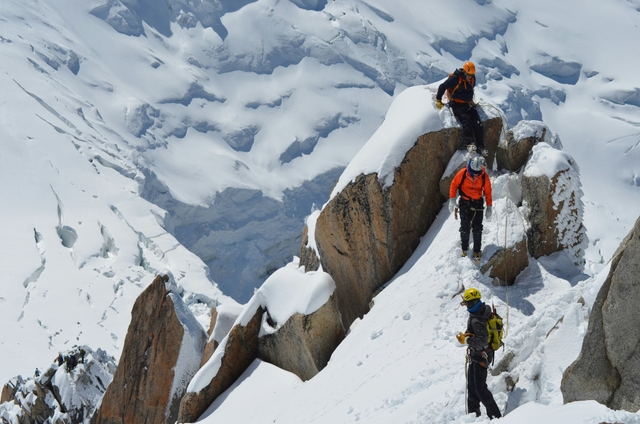
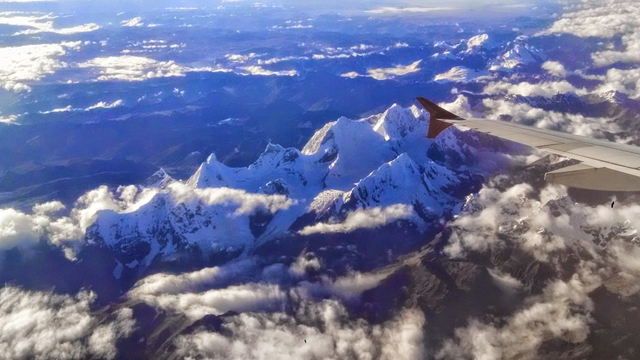
The higher you climb, the less oxygen in every breath.
Where to start
Three reading paths, in order: from the first question to the answer you need at altitude.
Your first 4,000 m
Pack, legs and pace: what to sort out before you go above 4,000 metres.
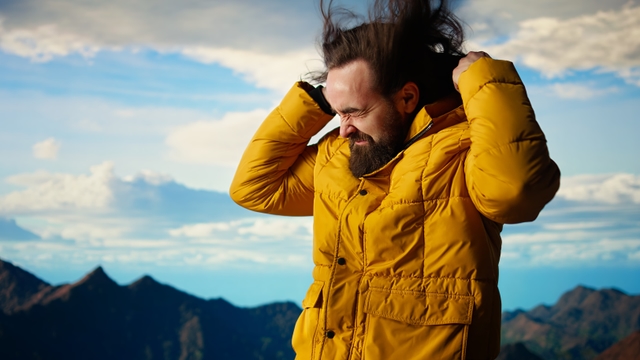
Understanding altitude sickness
Recognise the symptoms, know what to do, and know when to turn back.
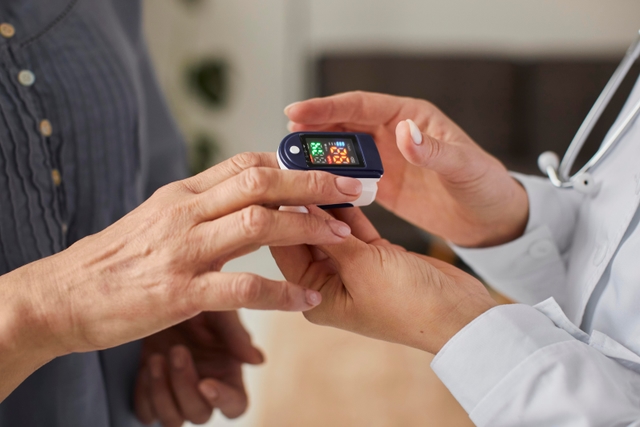
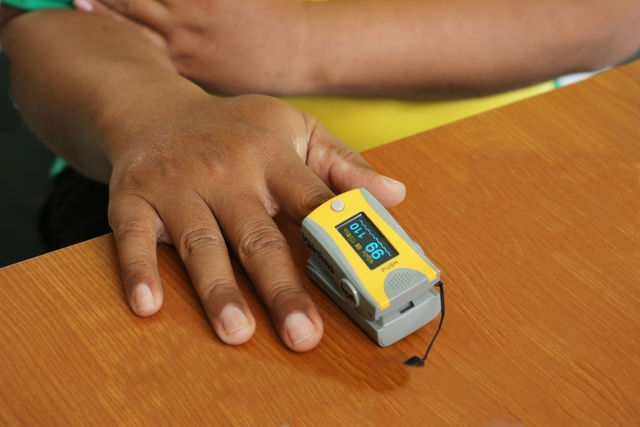
Measuring blood oxygen
What saturation is, how to read a pulse oximeter and which one is worth carrying.
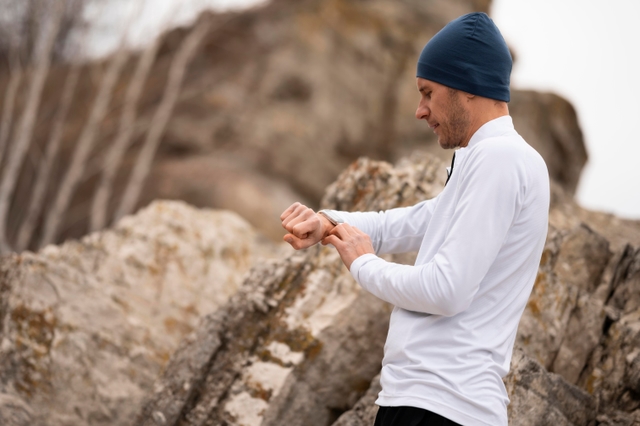
The free high-altitude guide
38 pages, 60+ sources, practical checklist.
Featured peaks
Explore all peaks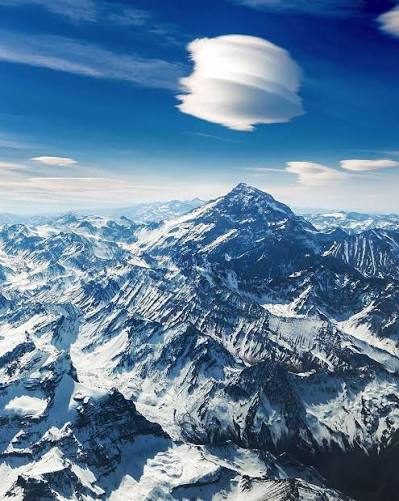
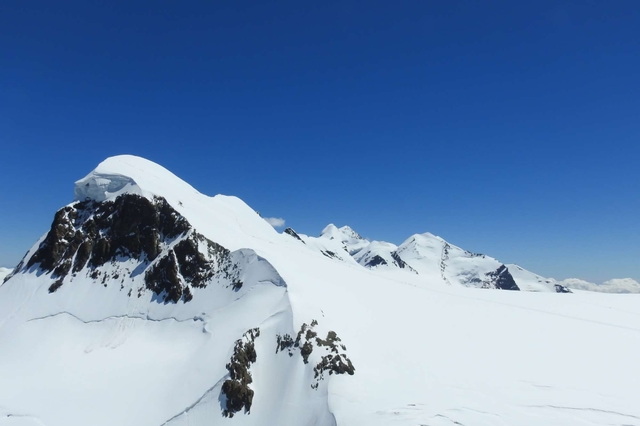
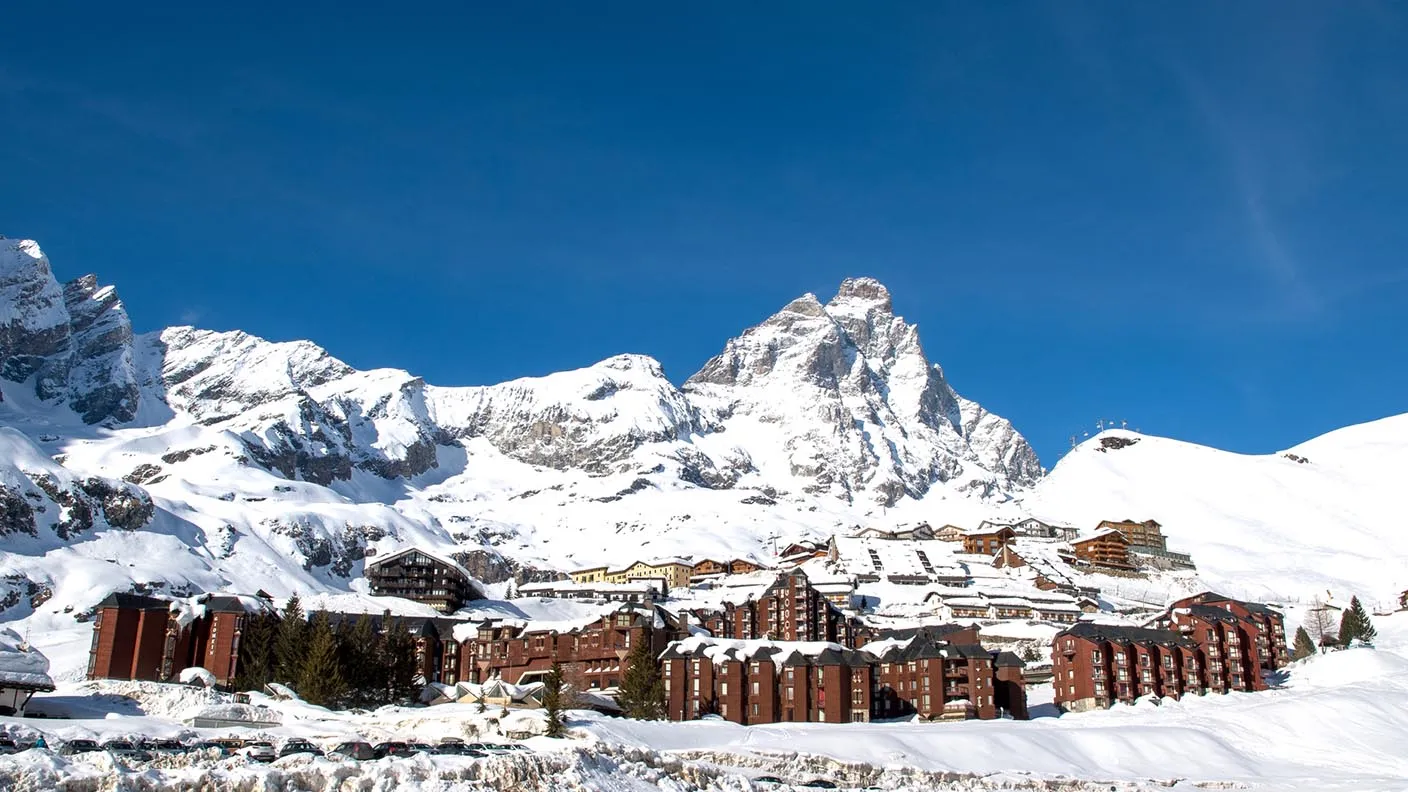
Alpine sport is a journey with body and mind, and it trains the soul for life.
Less pressure, less oxygen.
Air always contains 21% oxygen, but at altitude its density collapses. At 5,000 m you breathe less than half.
Oxygen available compared to sea level
* Values for non-acclimatized individuals. Source: ISA Standard Atmosphere model.
See the full altitude tableChoose a peak
Analyze the oxygen
Prepare better
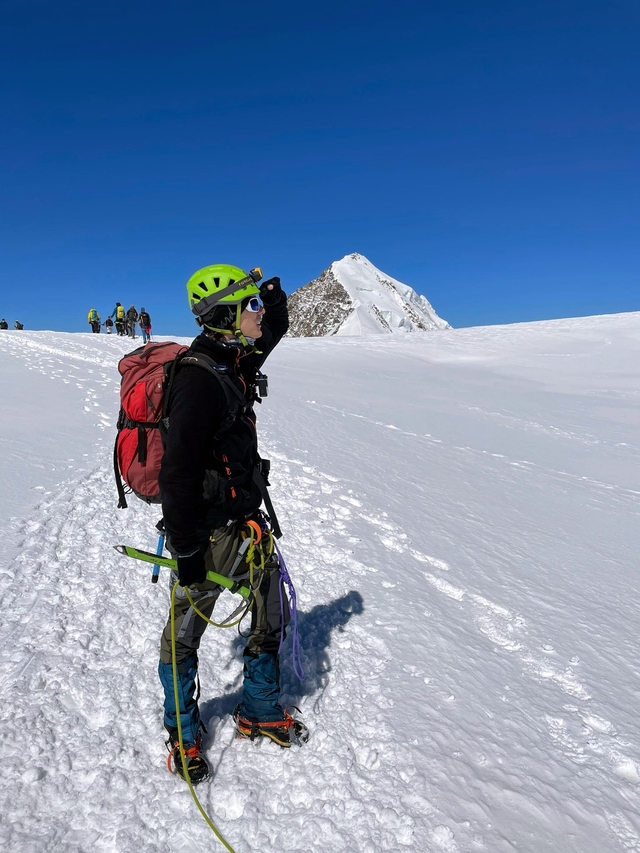
Made by people who go to altitude
Oxymeter was born on Monte Rosa, from a mountaineer who wanted to know how much air he would breathe at the summit.
About us