Medical guides on AMS, acclimatization, HACE and HAPE for mountaineers and trekkers.
58% of sea-level oxygen remains atop Whitney and Rainier — SpO₂ data, altitude tables, and AMS risk for Denali and Colorado's 14ers too.
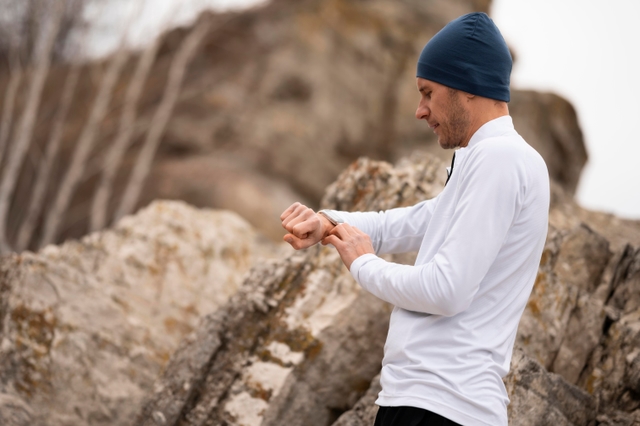
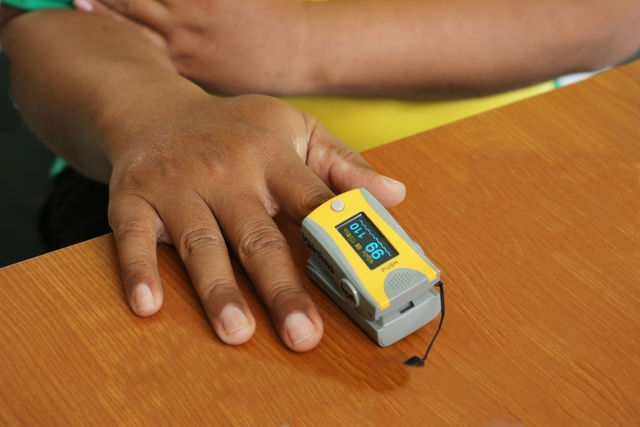
3.3% is the average gap between wrist SpO₂ and medical-grade fingertip readings at 12,000ft — what to expect, and when to trust a real oximeter instead.
At 3,000 m only 69% of sea-level oxygen is left; at 5,000 m, 53%. Full percentage chart by elevation with air pressure in hPa, on the ISA model.
125–250 mg twice daily is the standard Diamox dose — how acetazolamide works, WMS 2024 dosing, side effects like tingling, and who should avoid it.
500–1,000m of immediate descent is the single most effective treatment for both — symptoms, field triage, drug doses, and when to call for evacuation.
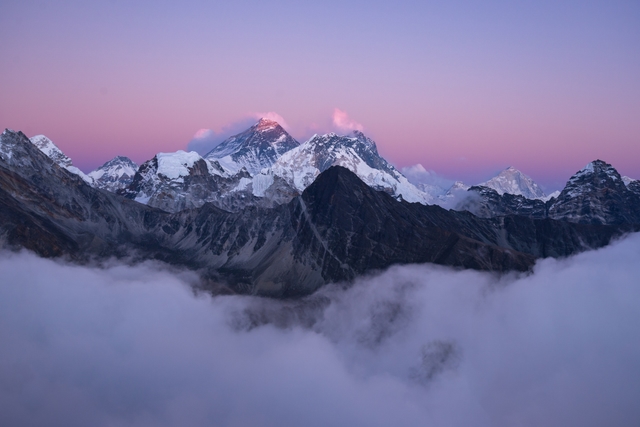
At 8,848 m only 31% of sea-level oxygen is available. Discover the data on partial pressure, climbers' SpO₂ readings, and why the Death Zone is lethal.
1 in 4 climbers who ascend fast above 2,500m gets AMS — symptoms, the Lake Louise score, prevention rules, and descent thresholds, per WMS and UIAA.
At 4,000 m SpO₂ falls to 85–90%. At 5,000 m: 75–82%. Full chart every 500 m — from sea level to Everest — with AMS thresholds and descent criteria.