Tag
10 articles on this topic
B2 boots cover most 4,000-metre routes: what the B1/B2/B3 ratings really mean, single vs double, and how to match boots to crampons.
3–4 weeks of nightly use raises red blood cell mass enough to cut AMS risk — the science, a step-up protocol, and how to set your tent's O₂ target.
300–500m of descent raises SpO₂ faster than anything else — breathing techniques, rest strategies, and acclimatization schedules that actually help.
500m per night is the ascent limit above 3,000m — the 7 rules that cut AMS risk, covering hydration, Diamox timing, and SpO₂ checks, per WMS 2024.
69% of sea-level oxygen remains at 10,000ft — enter any elevation for O₂% and expected SpO₂, from Colorado trails to Everest base camp.
58% of sea-level oxygen remains atop Whitney and Rainier — SpO₂ data, altitude tables, and AMS risk for Denali and Colorado's 14ers too.
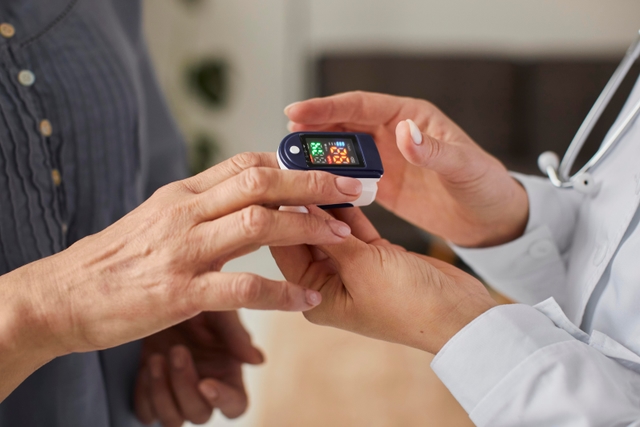
3.3% is the average gap between wrist SpO₂ and medical-grade fingertip readings at 12,000ft — what to expect, and when to trust a real oximeter instead.
88–92% SpO₂ is normal at 3,500m — what a falling reading means, which numbers should worry you, and why the device is an early warning, not a diagnosis.
At 3,000 m only 69% of sea-level oxygen is left; at 5,000 m, 53%. Full percentage chart by elevation with air pressure in hPa, on the ISA model.
±2–3% accuracy is the clinical bar (IEC 60601-1) — compare 5 fingertip and wearable models for cold, battery life, and readability above 4,000 m.