As an Amazon Associate, Oxymeter earns from qualifying purchases.
Three or four weeks before a big climb, some mountaineers do something that looks slightly absurd: they zip themselves into a plastic tent on top of their own bed, in their own bedroom, at sea level, and sleep there every night. A pump hums in the corner, stripping oxygen out of the air until the tent thinks it's at 4,000 metres. The neighbours have no idea.
This is pre-acclimatization, and it's not fringe anymore. Olympic teams use it. Everest guiding companies build rapid-ascent programs around it. The question isn't whether altitude tents do something — they do. The question is whether they do enough to justify the cost and the disrupted sleep. Here's the honest version.
You can check what oxygen level any target altitude actually delivers with the Oxymeter calculator before you decide how high to set your tent.
Do altitude tents actually work?
Short answer: yes — with three to four weeks of consistent, nightly use. Anything less and you're mostly buying an expensive way to sleep badly.
Here's the mechanism. When you spend hours in low-oxygen air, your kidneys read the shortage and release more erythropoietin — EPO, the hormone that tells your bone marrow to build red blood cells. Give that signal enough nights in a row and your red cell mass climbs. More red cells means more haemoglobin, which means more oxygen delivered per breath once you're on the real mountain. Your body also tunes its breathing and blood chemistry, blunting the shock of thin air.
That adaptation isn't instant. EPO spikes within the first 24 to 48 hours, but the red cell mass that actually helps you takes about three weeks to build meaningfully. Stop, and the benefit fades over roughly 10 to 14 days. That decay window is exactly why people finish their tent block a day or two before flying out.
One number worth holding onto: pre-acclimatized climbers routinely arrive at altitude with SpO₂ readings several points higher than unprepared companions in the first 48 hours — the window when acute mountain sickness usually strikes.
How altitude tents work — and their one real limitation
An altitude tent doesn't lower the air pressure. It lowers the oxygen fraction. A generator pulls room air, filters out some of the oxygen, and pumps the thinned mix into the tent. Sea-level air is 20.9% oxygen. Drop that to around 14% and, as far as your blood is concerned, you're sleeping at roughly 3,000 metres.
This is called normobaric hypoxia: normal pressure, less oxygen. A real mountain gives you hypobaric hypoxia: less pressure and less oxygen. Both pull your SpO₂ down, and both trigger the red cell response. But they aren't identical.
| Altitude tent (normobaric) | Real mountain (hypobaric) | |
|---|---|---|
| Air pressure | Normal (sea level) | Reduced |
| Oxygen fraction | Lowered by the generator | Naturally lower |
| Red blood cell response | Yes | Yes |
| Fluid shift / breathing effects | Partial | Full |
| Convenience | Sleep in your own bed | Requires being on the mountain |
The gap matters. The low pressure of a real summit affects fluid balance in your lungs and brain and changes how you breathe in ways a tent can't fully reproduce. So a tent gives you a genuine haematological head start — but it doesn't hand you a fully acclimatized body. You'll still feel the mountain. You'll just feel it less, and later.
That's the honest ceiling on what this technology buys you. Anyone selling it as a guarantee is overselling.
Who actually uses them
This isn't a gadget looking for a use case. The user list is real and specific.
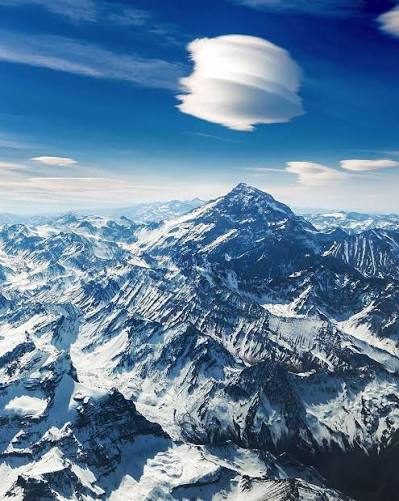
The US Olympic movement has run normobaric hypoxia setups at its training centres for years, chasing the "live high, train low" edge for endurance athletes. Guiding operators like Alpenglow Expeditions built entire rapid ascent programs on pre-acclimatization — clients tent at home for weeks, then attempt peaks like Everest, Cho Oyu, or Aconcagua on compressed timelines that would be reckless without the head start. Everest and Kilimanjaro clients with fixed, short holiday windows use them to fit a big mountain into two weeks off work instead of five.
The common thread: people who are short on time on the mountain but can spare their nights at home for a month. That's the sweet spot.
How to set your tent — match the O₂ to your peak
Don't guess at a number. Match your tent's simulated altitude to the altitude where you'll actually sleep on the mountain — that's the figure that drives your risk, not the summit.
The move is simple. Take your target peak, find the altitude of your highest planned sleeping camp, and convert it to an oxygen percentage so you know what you're training toward. Enter the altitude into the Oxymeter calculator and it returns the O₂ percentage and SpO₂ risk band your body will face up there. Set the tent to chase that.
A workable progression looks like this: start low, climb slowly, never jump the whole way on night one.
A sample 4-week protocol
This is a conservative template, not a prescription. Adjust to how you sleep and what your morning SpO₂ tells you.
| Week | Simulated altitude | Hours/night | What's happening |
|---|---|---|---|
| Week 1 | 2,200–2,500m | 8+ | Your body registers the stimulus. Sleep may be rough for 2–3 nights. |
| Week 2 | 2,800–3,200m | 8+ | EPO response established, red cell mass starting to build. |
| Week 3 | 3,300–3,800m | 8–10 | The adaptation week — this is where the real gains land. |
| Week 4 | 3,800–4,500m | 8–10 | Peak simulated altitude, tapering to match your mountain. Finish 1–3 days before travel. |
Two rules that matter more than the exact numbers. First, step up gradually — 300 to 500m every four or five nights, not in one leap. Second, check your resting SpO₂ every morning before you get out of bed. If it's cratering or you're sleeping terribly, hold the altitude steady for a few nights instead of climbing. The tent is a tool, not a contest.
Tent vs generator vs chamber — which is which
The terms get used loosely, so here's the plain version.
An altitude tent is the bedroom setup: a sealed canopy over your bed fed by a hypoxic generator (sometimes called an altitude generator). The generator is the machine; the tent is where the thin air goes. You buy or rent them together. Expect $300 to $800 to rent for a month, more to own.
An altitude chamber — or a full hypoxic room — is the bigger, fixed-installation version you'll find in a sports institute or a high-end gym, large enough to train inside, not just sleep. Overkill for one climb.
For a mountaineer prepping a single expedition, the tent-plus-generator rental is almost always the right answer. You want the sleeping hours, and you want them at home.
Realistic expectations — what a tent can and can't do
Let's be blunt about the limits.
A tent can raise your red cell mass, lift your SpO₂ in the critical first days, and let you attempt a peak on a shorter itinerary with lower AMS odds. That's real, and for a time-poor climber it can be the difference between summiting and turning back sick.
A tent can't replace acclimatizing on the mountain, can't cancel the need for a sensible ascent profile, and can't protect you if you ignore your body once you're up there. It also does nothing for the muscular and mechanical side of a hard climb — your legs still have to have done the work.
Treat it as one input among several. The best-prepared climbers who use tents still climb high and sleep low on the approach, still build rest days into the itinerary, and still descend when symptoms tell them to.
How to monitor your SpO₂ at altitude
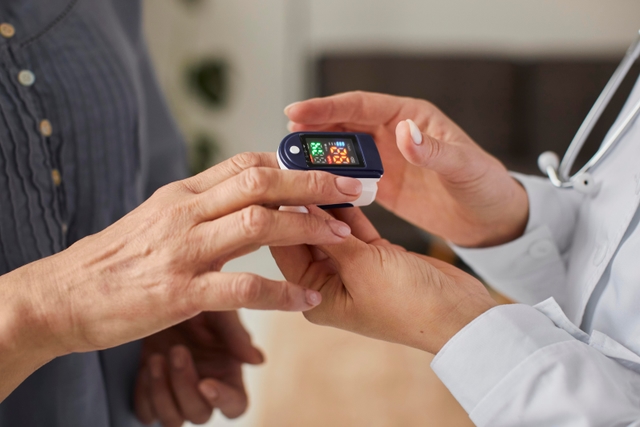
Everything above hinges on one measurement: your blood oxygen saturation. In the tent, your morning SpO₂ tells you whether the dose is working or whether you've pushed the altitude too fast. On the mountain, it's your earliest warning that acclimatization is failing — often 12 to 24 hours before symptoms hit.
A smartwatch reading is better than nothing, but a dedicated finger pulse oximeter is more reliable at altitude, where cold fingers and movement throw off wrist sensors. It's a cheap piece of kit for what it protects. See our tested picks in the guide to the best pulse oximeters for hiking and altitude, and pair whatever device you choose with the Oxymeter calculator so you know what reading to expect at each altitude before you get there.
Frequently Asked Questions
Do altitude tents actually work for acclimatization?
Yes, with consistent use over three to four weeks. Sleeping in simulated altitude raises your red blood cell mass and shifts your ventilation and blood chemistry the same direction real altitude does. What it can't do is fully replicate the fluid-shift and pressure effects of a real mountain — so treat it as a head start, not a substitute for acclimatizing on the peak itself.
How long should you sleep in an altitude tent before a climb?
At least three weeks, ideally four, of nightly use ending one to three days before you travel. The red cell adaptation takes roughly three weeks to become meaningful, then holds for about 10 to 14 days after you stop. That's why most people finish their block right before departure.
What altitude should I set my hypoxic tent to?
Start around 2,500m for the first week and step up 300 to 500m every four or five nights. Aim to reach a simulated altitude close to where you'll sleep on the mountain — often 3,500 to 4,500m. Convert your target peak's altitude into an O₂ percentage with the Oxymeter calculator so you're chasing the right number instead of a guess.
How many hours per night in an altitude tent?
Eight or more. Below about eight hours the hypoxic dose is too small to drive a reliable red cell response. The research standard for effective "live high, train low" is around 12 to 16 hours a day at altitude, but for most people the achievable version is a full night's sleep in the tent.
Can an altitude tent prevent altitude sickness?
It lowers your risk — it doesn't make you immune. Pre-acclimatized climbers tend to show higher SpO₂ and fewer AMS symptoms in the first days at real altitude. You still need a sensible ascent profile on the mountain, because no tent removes the need to go up slowly.
What is the difference between normobaric and hypobaric hypoxia?
A tent creates normobaric hypoxia: normal air pressure, less oxygen in the mix. A real mountain creates hypobaric hypoxia: lower pressure and less oxygen. Both drop your SpO₂, but the low-pressure environment of a real peak also affects fluid balance and breathing in ways a tent can't fully copy. That's the main reason a tent is a partial, not perfect, simulation.
Is an altitude tent worth it for Everest base camp?
For many trekkers, yes. Everest Base Camp sits at 5,364m, and the standard itinerary is tight on acclimatization days for the altitude gained. Arriving pre-adapted from three to four weeks in a tent measurably reduces the odds of AMS derailing an expensive, once-in-a-lifetime trip. It's a cost-benefit call, not a necessity.
This article is informational and doesn't replace medical advice. For climbs above 4,000m, or if you have any cardiovascular or respiratory condition, consult a doctor trained in high-altitude medicine before using hypoxic equipment or planning an ascent.