Gran Zebrù
Ortles-Cevedale, Stelvio National Park, Lombardy, Italy
Oxygen Analysis — Oximeter
Oxygen comparison
Required Preparation
At 3857 m, with 62% oxygen available, perceived effort increases compared to sea level.
How to prepare
- Occasional training: specific preparation and progressive acclimatization are required before the summit.
- Regular training: plan acclimatization stops and monitor oxygen saturation.
- Endurance training: respect physiological adaptation times even if fitness level is high.
- Consider a sports medical assessment before the ascent.
Route and Trail
Peak Guide
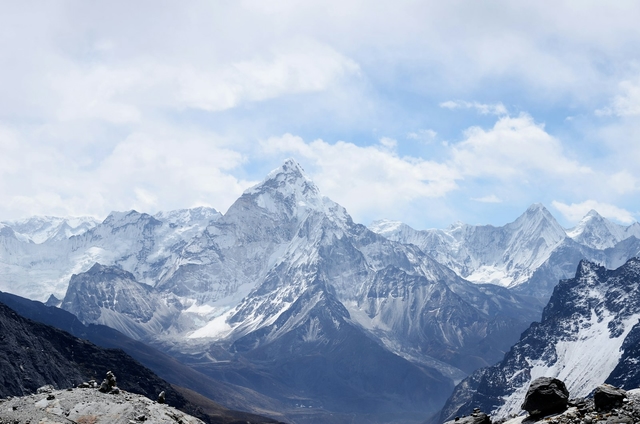
Gran Zebrù is a pyramid. A real one — a steep, symmetrical spike of rock and ice that breaks away from the Ortler-Cevedale ridge and dominates the Val Cedec skyline with a force that's hard to ignore from the valley floor. 3,857 metres. Stelvio National Park, Lombardy. In German it's the Königspitze: the king's peak.
You're operating at 62% of sea-level oxygen up there. Your legs know it long before your brain does — heavier than usual, a heart rate that won't come down even on flat sections of glacier. It's not Himalayan altitude. But it's not a hike either. The final couloir, the "canalino," runs at 40–45 degrees of snow and loose rock. One bad placement and you're not in a good place.
The first ascent was solo. Corbinian Steinberger left Trafoi at 2 a.m. on August 24th, 1854, and came back 18 hours later. Nobody believed him. Then they all did.
Technical Details
| Feature | Detail |
|---|---|
| Altitude | 3857m |
| GPS Coordinates | 46.4794°N, 10.5673°E |
| Available oxygen | 62% of sea level |
| Starting point | Albergo dei Forni car park (2176m), S. Caterina Valfurva |
| Elevation gain | 1681m |
| Round-trip distance | ~17 km |
| Ascent time | 6–8h from car park |
| Difficulty | AD- (glacier + steep couloir) |
| Best season | July (mid-June to mid-August) |
| GPX available | No |
Route
The normal route starts at the Albergo dei Forni car park (2,176m), reachable from Santa Caterina Valfurva by car along approximately 8 km of track. A well-marked trail rises through Val Cedec — 530m of elevation gain, about 90 minutes — to Rifugio Pizzini-Frattola (2,706m). This is the standard base camp for the climb, run by the CAI Milan section.
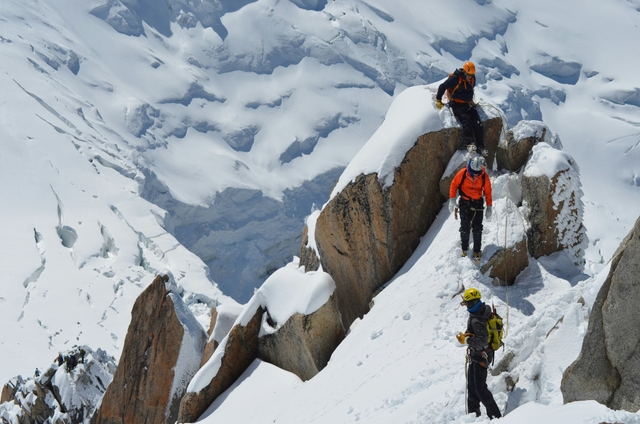
From the hut, a path leads to the Gran Zebrù glacier at roughly 3,000m. Rope up here, no exceptions: crevasses are active throughout the glacier. The route trends right across the ice to reach the base of the couloir. This section — the canalino — is the crux of the normal route. It's steep snow and loose rock, 40 to 45 degrees, with real rockfall danger from above when the sun gets to work on the walls. Start early. The difference between 4 a.m. and 8 a.m. is not cosmetic.
The couloir delivers you to the Shoulder (Spalla, 3,462m). Above it, the final slope steepens further — up to 50° in places — with short rock bands before the summit snow arête. Follow it left to the summit cross.
Day-trip or two days with a night at Pizzini. Most experienced alpinists do it in a long single day.
Oxygen & Acclimatization
At 3,857m, atmospheric pressure is roughly 63% of sea level. SpO2 for a fit, acclimatized climber typically runs between 87 and 91% at the summit. That's within a manageable range — but it's enough below normal that decision-making slows, balance degrades slightly, and fatigue compounds faster than you expect.
AMS risk is moderate at this altitude. One night at Rifugio Pizzini (2,706m) is adequate preparation for most healthy people. Don't skip it because you feel fine at home. You won't notice the altitude until you're in it.
Watch for these on the evening at the hut: a headache that doesn't respond to ibuprofen, nausea, or breathing that feels laboured at rest. If you wake with any of them, don't push for the summit that day.
Heart rate at rest will run 10–15 bpm higher than usual in the first 24 hours. That's normal. Drink before you're thirsty — cold dry air at altitude pulls moisture from your lungs with every exhale, and thirst signals arrive late.
Preparation
Essential gear
- Ice axe and crampons (10-point minimum)
- Harness, 30m rope, carabiners
- Helmet — non-negotiable in the couloir
- Waterproof layered clothing
- Glacier sunglasses (high UV protection)
- 2+ litres of water for summit day
- Finger pulse oximeter to track SpO2
Physical condition You need real alpine fitness. Gran Zebrù isn't steep hiking with some ice — it's a serious mountaineering route requiring glacier travel, roped movement on steep terrain, and stamina for 7 to 8 sustained hours. If this is your first time on a glacier, hire an IFMGA-certified guide. The Valfurva mountain guides run guided ascents throughout summer.
Best timing July is the window. The couloir holds reliable snow (far better than the crumbling rock it becomes in late August), conditions are more predictable, and both huts are fully staffed. By mid-August, ice replaces snow and the technical difficulty increases significantly. Always check current conditions with Rifugio Pizzini before departure — the mountain changes fast.
Frequently Asked Questions
How much oxygen is there at 3857m on Gran Zebrù?
At 3,857m you're breathing about 62% of the oxygen available at sea level. Atmospheric pressure drops with altitude, so each breath pulls proportionally less O₂ into your bloodstream. A fit, acclimatized climber typically shows SpO2 readings of 87–91% at the summit. Use the Oxymeter calculator to estimate your own value before you go.
Do you need glacier experience to climb Gran Zebrù?
Yes. This is a serious alpine route: crevassed glacier, a steep snow-and-rock couloir with rockfall hazard, and slopes up to 50 degrees near the top. Anyone without prior glacier experience should hire an IFMGA-certified mountain guide. Don't treat this as a stretch goal — the consequences of a mistake here are serious.
Is one night at Rifugio Pizzini enough for acclimatization?
For most healthy people, yes. One night at 2,706m gives your body a meaningful head start before the final push to 3,857m. If you're coming directly from sea level, arrive at the hut a day early and take it easy. If you feel rough during the night, that's your body telling you something — listen to it.
When is Rifugio Pizzini open?
Generally from March to late September, with a pause around May to mid-June. Check exact dates with CAI Milan or contact the hut directly before planning your trip. In high season (July–August) advance booking is essential — it fills fast.
Access the complete guide for free
Enter your email and get immediate access + PDF download
What you need for Gran Zebrù
Buying through these links supports Oxymeter at no extra cost to you — thank you! As an Amazon Associate, Oxymeter earns from qualifying purchases.
Indicative list. Adapt equipment to weather conditions and your experience level.
Has Oxymeter been useful to you?
Oxymeter is built by one person: servers, data and hours of work are all self-funded, and everything stays free with no ads. If you'd like to help, you can buy us a coffee.
Buy us a coffeeEven a small gesture makes a big difference. Thank you!
Open the page for up-to-date gear links: https://www.oxymeter.it/en/vetta/gran-zebru/
Sources and References
The information on this page has been verified from the following sources
Related peaks
Discover other peaks in the same area
Go deeper with our articles
Guides and tips to prepare yourself
Calculate your altitude sickness risk
7 questions — AMS risk estimate based on WMS guidelines