Großglockner
East Tyrol / Carinthia, Austria
Oxygen Analysis — Oximeter
Oxygen comparison
Required Preparation
At 3798 m, with 62% oxygen available, perceived effort increases compared to sea level.
How to prepare
- Occasional training: specific preparation and progressive acclimatization are required before the summit.
- Regular training: plan acclimatization stops and monitor oxygen saturation.
- Endurance training: respect physiological adaptation times even if fitness level is high.
- Consider a sports medical assessment before the ascent.
Route and Trail
Peak Guide
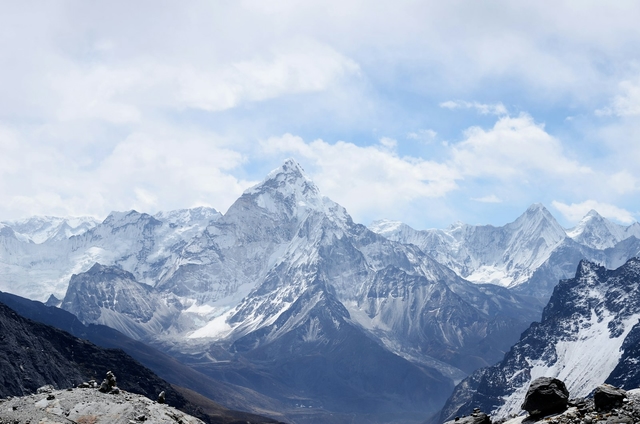
Austria's highest mountain stands at 3,798 metres — a dark pyramid of rock straddling the border between East Tyrol and Carinthia. At that altitude, you're breathing 62% of the oxygen you'd get at sea level. Not the Himalayas, sure. But your body notices. Especially if you don't give it time to adapt.
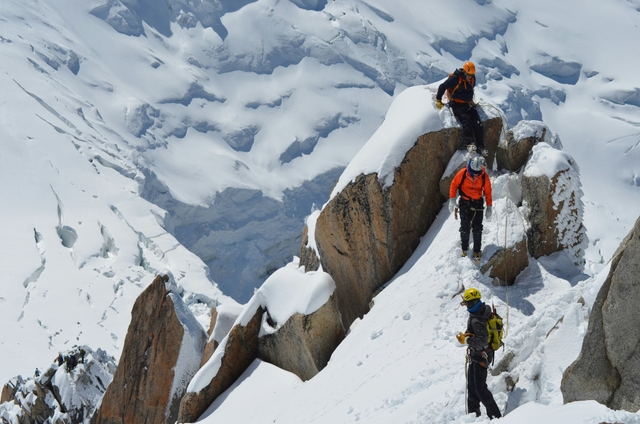
The normal route goes through the Erzherzog-Johann-Hütte at 3,454m — Austria's highest mountain hut, known as Adlersruhe. It's a two-day tour: day one to gain altitude and sleep high, day two for the summit. Clean structure, demanding execution. The Teischnitz Glacier and the final ridge require full alpine gear.
Thousands of climbers attempt this every year. Most succeed. Some don't — usually because they moved too fast.
Technical Details
| Feature | Detail |
|---|---|
| Altitude | 3798m |
| GPS Coordinates | 47.0749°N, 12.6952°E |
| Available oxygen | 62% of sea level |
| Starting point | Lucknerhaus, Kals am Großglockner (1918m) |
| Elevation gain | 1880m |
| Round-trip distance | 18.4 km |
| Ascent time | 6–8h (day 1, to hut) + 1.5–2h (day 2, summit) |
| Difficulty | UIAA I-III |
| Best season | July–September |
| GPX available | No |
Route
The normal route starts at the Lucknerhaus (1,918m) in Kals am Großglockner. Day one follows the Koednitz valley past the Lucknerhuette (2,241m) and up to the Stüdlhütte (2,802m). From there, a glacier crossing of the Teischnitz and a short equipped via ferrata section bring you to the Erzherzog-Johann-Hütte (3,454m) — roughly 6–8 hours total, with 1,536m of elevation gain.
Day two is shorter but not easier. From Adlersruhe, you gain 344m over 1.5–2 hours to the summit. The route traverses the ridge between the Großglockner and Kleinglockner (3,770m), separated by the Glocknerscharte col. The final section involves mixed rock and snow.
Mandatory gear: ice axe, crampons, harness, rope (30m minimum). An IFMGA-certified guide is strongly recommended if you don't have glacier experience.
Oxygen & Acclimatization
At 3,798m, atmospheric pressure is roughly 63% of sea level. Your lungs work harder to extract the same oxygen your body needs. Arterial oxygen saturation (SpO2) typically drops to 82–90% for fit climbers who've had one night of acclimatization.
AMS risk is moderate at this altitude. Common symptoms: headache, nausea, unusual fatigue in the first few hours after arriving. The solution isn't willpower. It's time. Ascend steadily, sleep at the hut's elevation, and don't push the summit before your body has adapted.
A few things that matter more than fitness: hydration, pace, and sleep quality at altitude. Your resting heart rate will be 10–20 bpm higher than at home in the first 24 hours. That's normal. Ataxia (loss of coordination) or confusion is not — descend immediately if either appears.
Preparation
Essential gear
- Ice axe and crampons (10-point minimum)
- Harness, rope (30m+), carabiners
- Layered clothing: above 3,000m the weather can turn in 30 minutes
- High-UV glacier sunglasses
- 2+ litres of water for summit day
Physical condition Two days of sustained mountain hiking with a loaded pack on mixed terrain. Before you go, do at least a few training days with 1,000m+ of elevation gain. If you've never been on a glacier, hire an IFMGA guide. It's not optional — it's common sense.
Best timing July and August offer the best conditions. September is still possible but the glacier gets more crevassed. Before July and after September, check current conditions with the local guides in Kals — conditions vary a lot year to year.
Frequently Asked Questions
Do I need a mountain guide to climb the Großglockner?
Not legally. But if you don't have glacier travel experience and alpine rope technique, a certified guide is the practical answer. The Kals mountain guides organize ascents throughout the summer season and know the route intimately.
What's the AMS risk at 3,798m?
Moderate. Most healthy people complete the climb with one night of acclimatization at the hut (3,454m). The main risk factors are climbing too fast and not drinking enough water. Use the Oxymeter calculator to estimate your saturation at this altitude before you go.
Can you do Großglockner as a day trip?
Technically yes, if you start at 3–4 am from the Lucknerhaus. But it's a bad idea without the intermediate sleep at altitude. Your body needs that night to begin adapting. Without it, you're gambling — and the descent in the afternoon with tired legs on a glacier is where accidents happen.
What's the summit SpO2 typically?
Between 82% and 90% for acclimatized, fit climbers. Individual variation is large. Below 80% at rest, combined with a headache and nausea, consider this a clear signal to descend rather than push the final metres.
Access the complete guide for free
Enter your email and get immediate access + PDF download
What you need for Großglockner
Buying through these links supports Oxymeter at no extra cost to you — thank you! As an Amazon Associate, Oxymeter earns from qualifying purchases.
Indicative list. Adapt equipment to weather conditions and your experience level.
Has Oxymeter been useful to you?
Oxymeter is built by one person: servers, data and hours of work are all self-funded, and everything stays free with no ads. If you'd like to help, you can buy us a coffee.
Buy us a coffeeEven a small gesture makes a big difference. Thank you!
Open the page for up-to-date gear links: https://www.oxymeter.it/en/vetta/grossglockner/
Sources and References
The information on this page has been verified from the following sources
Related peaks
Discover other peaks in the same area
Go deeper with our articles
Guides and tips to prepare yourself
Calculate your altitude sickness risk
7 questions — AMS risk estimate based on WMS guidelines