Piz Boè
Sella Group, Dolomites, Trentino-Alto Adige, Italy
Oxygen Analysis — Oximeter
Oxygen comparison
Required Preparation
At 3152 m, with 68% oxygen available, perceived effort increases compared to sea level.
How to prepare
- Occasional training: plan gradual acclimatization — resting heart rate will rise at this altitude.
- Regular training: keep a steady pace and watch for mild hypoxia symptoms.
- Endurance training: altitude is manageable with planning — avoid forcing the pace in the first hours.
Route and Trail
Peak Guide
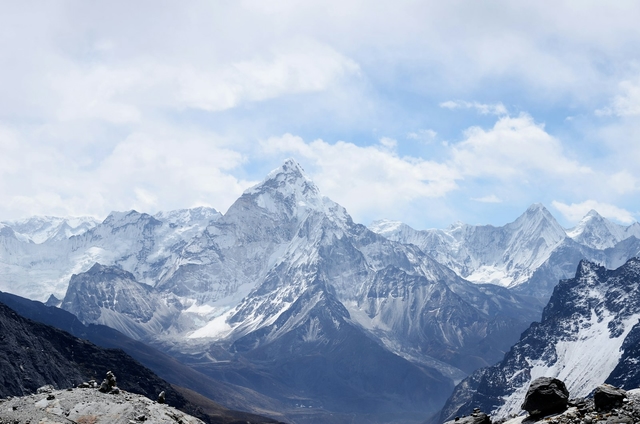
Piz Boè isn't the most famous peak in the Dolomites. It doesn't have the silhouette of the Matterhorn or the altitude record of Marmolada. What it does have: it's the roof of the Sella Group — 3,152 meters of pale dolomite limestone at the geographic center of the UNESCO World Heritage Site — reachable in under four hours from Passo Pordoi, with a 360° view that competes with almost any summit in the western Alps. At this elevation, you're breathing 68% of the oxygen available at sea level. Your legs notice before your lungs do.
The summit hut, Rifugio Capanna Piz Fassa (3,152m), is one of the highest staffed refuges in Italy. Six sleeping spots, a kitchen that functions even in rough weather, and a terrace with views that take in the Marmolada, Sassolungo, Civetta, and Antelao. You'll take the photo. You won't go down immediately.
Technical Data
| Data | Value |
|---|---|
| Altitude | 3,152 m / 10,341 ft |
| Location | Sella Group, Dolomites, Trentino-Alto Adige, Italy |
| GPS Coordinates | 46.5098°N, 11.8292°E |
| Oxygen at Summit | 68% |
| Typical Summit SpO₂ | 91–94% |
| Difficulty | Grade EE (experienced hikers) — short fixed-rope section |
| Elevation Gain | 913 m / 2,995 ft (from Passo Pordoi, 2,239m) |
| Ascent Time | 3.5–4 hours from Passo Pordoi |
| Round-Trip Distance | ~9.0 km / 5.6 mi |
| Best Season | July – September |
| Starting Point | Passo Pordoi (2,239m) |
| Summit Hut | Capanna Piz Fassa (3,152m) |
| AMS Risk | Low |
Route
The standard route starts at Passo Pordoi (2,239m), the pass connecting Val di Fassa and Val Badia along the SS48. From the parking area, CAI trail 627 climbs steadily across the Sella Plateau — well-marked, never exposed — for about 1.5–2 hours to Rifugio Boè (2,871m). From there, trail 638 takes you straight up the summit pyramid.
The final 280 meters of elevation gain are the hardest part. Steep terrain, loose rock in places, and a short fixed-rope section in the last 50–60 meters — that's where the EE grade comes from. It's not technically difficult. But you'll use your hands, and there's a bit of exposure. In peak season, the final stretch runs on a one-way system: ascent on the southwest rib, descent on the west face. Respect it. The bottlenecks at 3,000 meters are no fun.
If you want fewer crowds and a better experience: the Ferrata Cesare Piazzetta starts at Passo Pordoi and climbs directly up the south face. It requires a full via ferrata kit and reasonable fitness — but the exposure is spectacular and the traffic is a fraction of the normal route.
Oxygen and Acclimatization
At 3,152m, atmospheric pressure is roughly 68% of sea level — and so is the oxygen available per breath. Your resting heart rate will go up by 8–12 bpm in the first hours. Under exertion — especially on that final summit push — expect 20–30 bpm higher than your normal baseline. That's not a sign something's wrong. It's your body doing its job.
Acute Mountain Sickness (AMS) is uncommon on a day hike from Passo Pordoi. The ascent rate is gradual and the altitude stays below the critical threshold for most healthy adults. The risk increases if you sleep at altitude without prior acclimatization — Capanna Piz Fassa and Rifugio Boè both offer overnight options.
Watch for these: throbbing headache, nausea, dizziness that doesn't clear after 30 minutes of rest. If they appear, descend. Don't wait to feel worse.
One night at Canazei (1,465m) or at Passo Pordoi itself before the summit day makes a real difference. Not mandatory — but you'll notice it in your legs on the final push.
Preparation
Standard high-mountain hiking gear for the normal route: stiff-soled mountain boots (no trail runners), layered clothing with a waterproof shell, trekking poles for the final section, at least 1.5 liters of water. At altitude, thirst lags behind dehydration. Drink before you feel thirsty.
Afternoon thunderstorms in the Dolomites are fast and frequent — often between 1pm and 4pm in summer. Start early. Leave Passo Pordoi by 7–8am and you'll be on your way down before the weather turns. August weekends and Ferragosto week: the summit trail is genuinely congested. Prefer weekdays if you have the flexibility.
The Passo Pordoi parking lot fills up early in high season. Bus connections from Val di Fassa are a viable alternative if you're coming without a car.
Frequently Asked Questions
How much oxygen is there at the Piz Boè summit?
At 3,152m, you're breathing 68% of the oxygen available at sea level — calculated using the ICAO Standard Atmosphere formula. Blood oxygen saturation (SpO₂) typically reads between 91% and 94% for acclimatized hikers.
Do I need to acclimatize before climbing Piz Boè?
For a day hike from Passo Pordoi, acclimatization isn't strictly required for healthy adults. If you're coming from sea level or have a history of altitude sensitivity, one night at an intermediate elevation (1,400–2,200m) helps significantly.
How long does it take to climb Piz Boè?
From Passo Pordoi (2,239m), expect 3.5–4 hours of ascent for an average fit hiker. Descent takes 2.5–3 hours. Total trip with summit time: about 7 hours.
Is Piz Boè a good first 3,000m summit?
It's one of the best. The normal route is technically straightforward, the approach from Passo Pordoi is well-marked, and the summit hut provides a safety buffer if weather turns. That said — it's still 3,000 meters. Don't underestimate the altitude effect on your body.
What gear do I need for Piz Boè?
Normal route: stiff mountain boots, waterproof shell, layered mid-layers, trekking poles, 1.5L+ water, high-energy snacks. For the Ferrata Cesare Piazzetta: a full via ferrata kit (harness, energy dissipator, helmet) is mandatory.
Access the complete guide for free
Enter your email and get immediate access + PDF download
What you need for Piz Boè
Buying through these links supports Oxymeter at no extra cost to you — thank you! As an Amazon Associate, Oxymeter earns from qualifying purchases.
Indicative list. Adapt equipment to weather conditions and your experience level.
Has Oxymeter been useful to you?
Oxymeter is built by one person: servers, data and hours of work are all self-funded, and everything stays free with no ads. If you'd like to help, you can buy us a coffee.
Buy us a coffeeEven a small gesture makes a big difference. Thank you!
Open the page for up-to-date gear links: https://www.oxymeter.it/en/vetta/piz-boe/
Sources and References
The information on this page has been verified from the following sources
Related peaks
Discover other peaks in the same area
Go deeper with our articles
Guides and tips to prepare yourself
Calculate your altitude sickness risk
7 questions — AMS risk estimate based on WMS guidelines