How much oxygen will you breathe at altitude?
The higher you go, the less oxygen per breath. Calculate real availability for your destination.
Use the calculator to find out how much breathable air you have available at your altitude.
Oxygen available at different altitudes
Oxygen available compared to sea level
Calculate oxygen
Press Calculate to find out how much breathable air is available at your altitude.
Altitude Oxygen Calculator
You have ...% oxygen available
Check your oxygen availability and altitude now to move safely at high altitudes.
How Altitude Reduces Available Oxygen
Available oxygen decreases with altitude because the atmosphere thins as you climb. Oxymeter uses the International Standard Atmosphere (ISA) model to calculate barometric pressure at any elevation and determine the actual O₂ fraction available to breathe. At 5,000 m you inhale less than half the oxygen you get at sea level — understanding these numbers helps you plan your acclimatization and recognize early warning signs.
| Altitude | O₂ available | Typical SpO₂ |
|---|---|---|
| 500 m | 94% | 96–98% |
| 1.000 m | 88% | 95–97% |
| 2.000 m | 78% | 93–96% |
| 3.000 m | 69% | 88–93% |
| 4.000 m | 61% | 82–88% |
| 5.000 m | 53% | 74–82% |
| 8.848 m | 31% | 55–65% |
* SpO₂ values refer to unacclimatized individuals. Proper acclimatization can improve SpO₂ by 5–10%. Source: ISA Standard Atmosphere model.
Read the science behind the calculatorWhy does oxygen change with altitude?
- Atmospheric pressure drops with altitude: less pressure means fewer oxygen molecules per breath.
- Air always contains 21% oxygen, but at high altitudes its density drops drastically.
- Above 2,500 m your body reacts immediately: breathing and heart rate increase to compensate.
How It Works
Choose a peak
Browse the catalog or enter your altitude manually.
Analyze oxygen and altitude
Oxymeter calculates the real oxygen availability for that altitude.
Prepare better
Use the data to plan your ascent with greater awareness.
Methodology and Reliability
Scientific Calculation
Data processed using the International Standard Atmosphere (ISA) model and Magnus formula for vapor pressure.
Data Sources
Altitude from GPS or topographic services. Atmospheric pressure from global weather stations.
Data is provided for informational purposes and does not replace medical advice. Do not use for clinical decisions.
Prepare your next climb
The complete scientific guide: 38 pages, 60+ sources, practical high altitude checklist.
- 38 pages of validated scientific content
- 60+ peer-reviewed scientific sources
- Practical pre-climb checklist
Plan Your Ascent
Compare oxygen availability at different altitudes and choose your next destination
Each peak has a different oxygenation profile. Compare them to plan with awareness.
Research & Development: Oximeter Wearable
We are designing a wearable device that measures atmospheric pressure, temperature, and ambient humidity to estimate oxygen availability at altitude. The sensor is built for high-mountain activities, where knowing the estimated oxygen saturation helps make safer decisions.
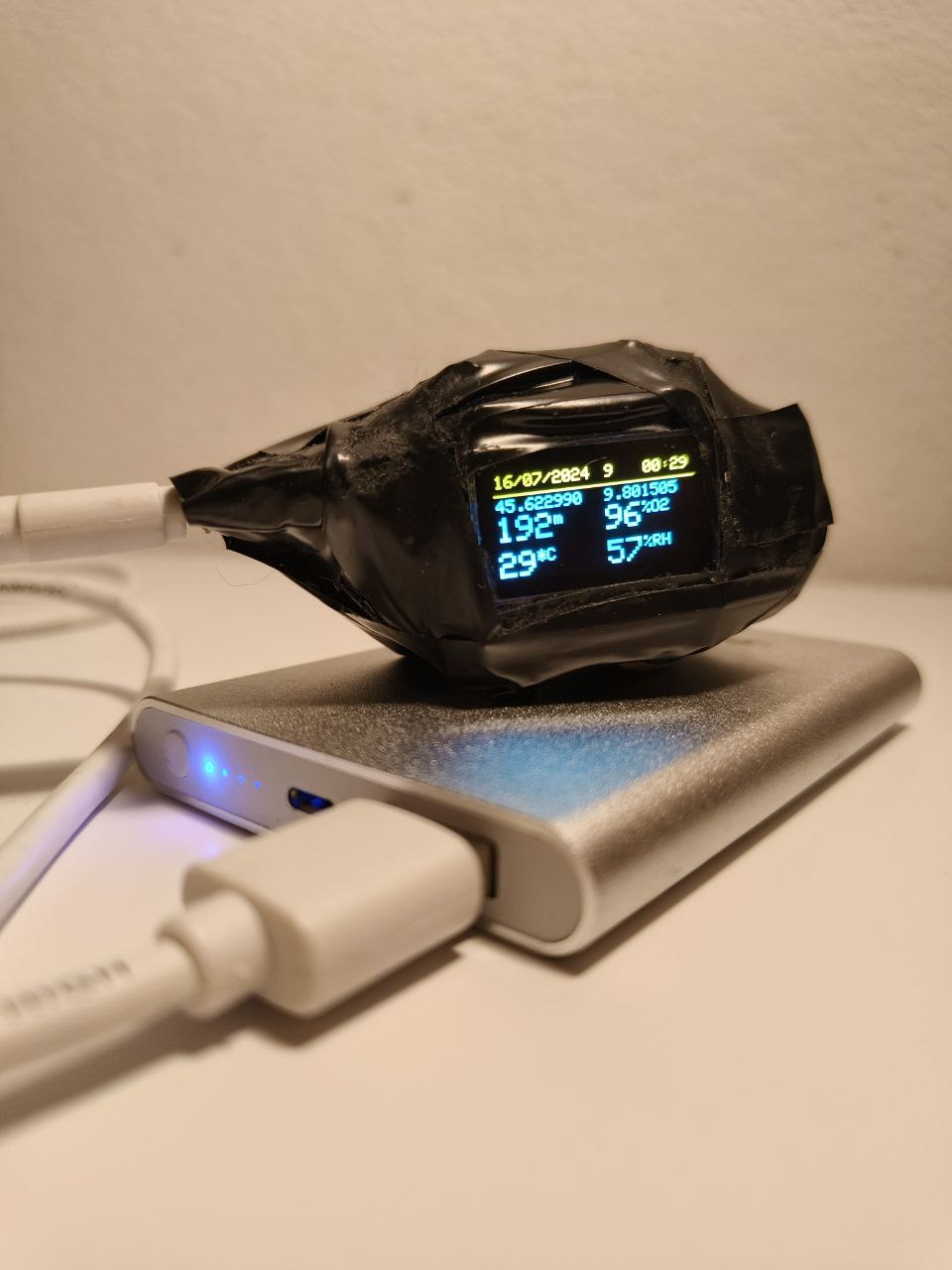
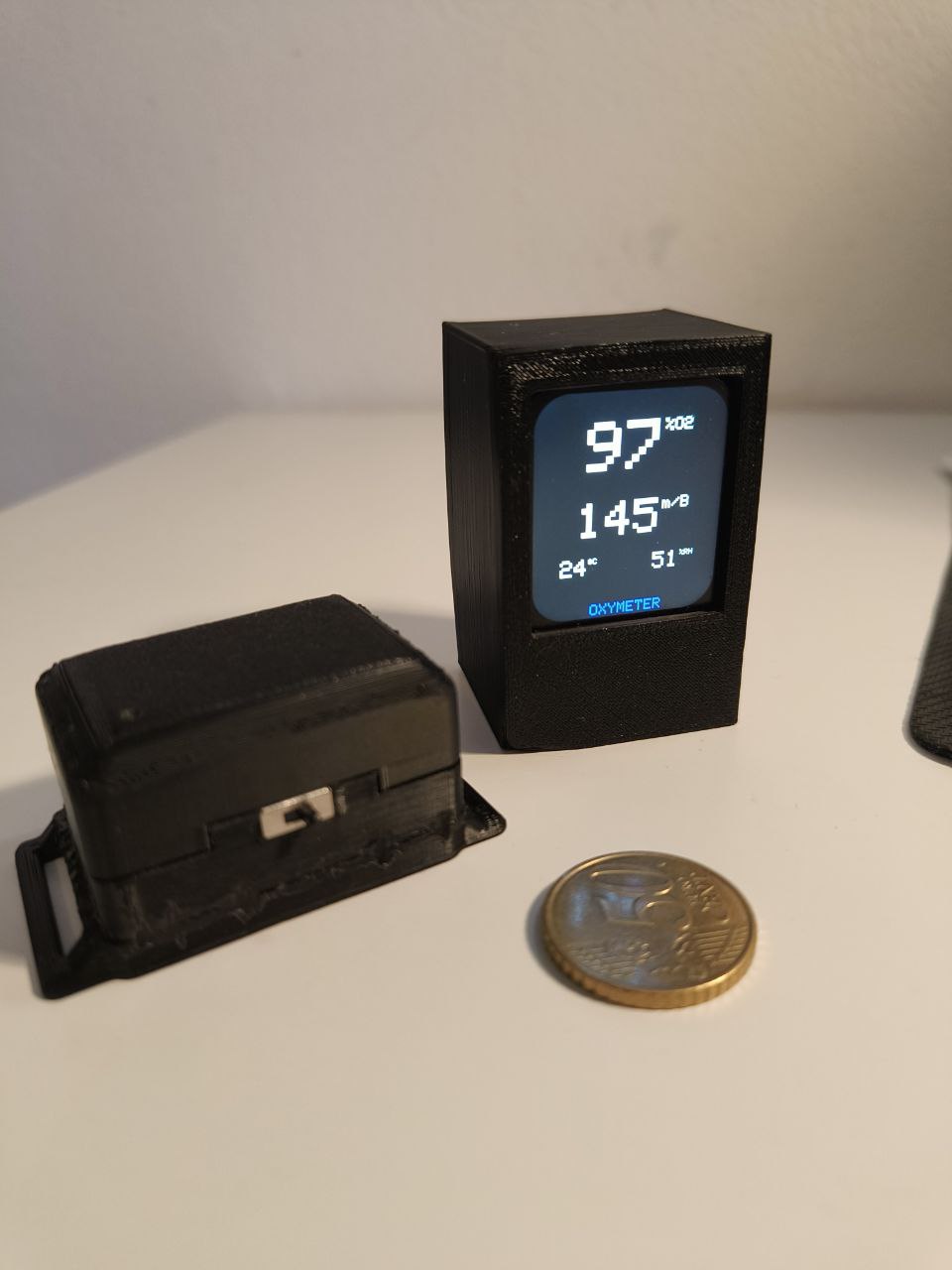
Are you a mountaineer, a researcher, or simply curious? Your feedback can help shape the development of this device.
Start exploring
Discover oxygenation profiles of peaks and plan your next ascent with awareness.