In-depth coverage of high altitude, oxygenation and alpine preparation
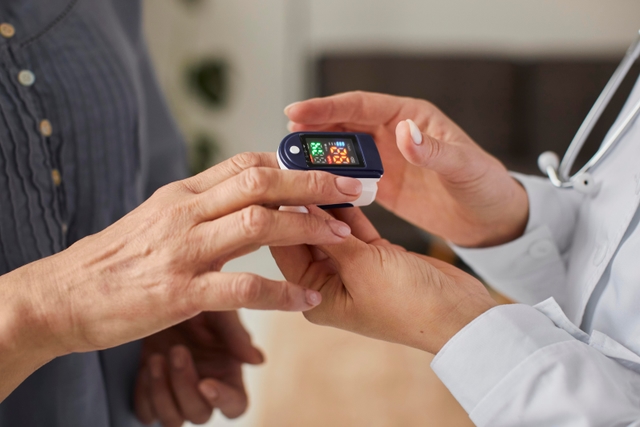
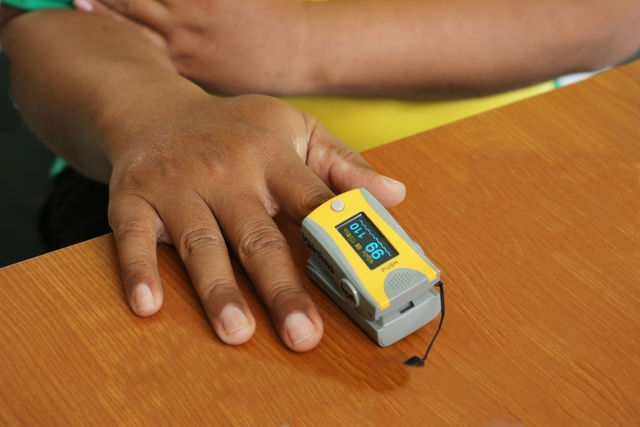
A pulse oximeter can catch low SpO₂ before symptoms strike. Here's what the numbers mean at altitude and which readings should worry you.
See exactly how oxygen and SpO₂ change with altitude. Complete chart from sea level to 8849m, plus normal SpO₂ ranges for hikers and climbers.
From red blood cells to VO2max: the science behind altitude training and a practical guide for amateurs. Optimal altitude, minimum stay, European destinations, and real SpO₂ data.
Complete guide to pulse oximetry: what the oximeter measures, how the technology works, when to use it, and what SpO₂ values are normal for adults and children.
How to choose the right pulse oximeter for trekking and mountaineering. Comparison of popular models, technical criteria, and fingertip vs. wearable for high altitude.
Complete guide to acetazolamide (Diamox) for altitude sickness prevention and treatment: how it works, correct dosage, side effects, contraindications, and when to start.
HACE (cerebral edema) and HAPE (pulmonary edema): life-threatening altitude emergencies. Recognize symptoms, treat in the field, know when to descend.
Complete checklist for high altitude mountaineering and trekking: layering system, technical gear, health kit and medications, navigation, and nutrition above 3,000 m.
Physical preparation for Mont Blanc (4,810 m): 12-week training plan, preparatory ascents, and oxygen levels to expect at the summit.
Practical guide to using a pulse oximeter at altitude: correct technique, SpO₂ interpretation, common mistakes to avoid, and the cold-correction rule.
At 8,848 m only 31% of sea-level oxygen is available. Discover the data on partial pressure, climbers' SpO₂ readings, and why the Death Zone is lethal.
Complete SpO₂ reference table from 0 to 8,000 m, how to interpret oxygen saturation readings in the mountains, and when values become dangerous.
Everything about acclimatization at high altitude: the climb high sleep low principle, the 300-500m rule, signs of good acclimatization and advanced pre-acclimatization strategies.
Complete guide to AMS: symptoms, risk factors, prevention and treatment. Based on UIAA and WMS 2024 guidelines.
Complete chart of normal SpO₂ values from sea level to 8,000 metres, how to use a pulse oximeter at high altitude, and when readings become dangerous.