Advice on training, equipment and planning ascents at high altitude.
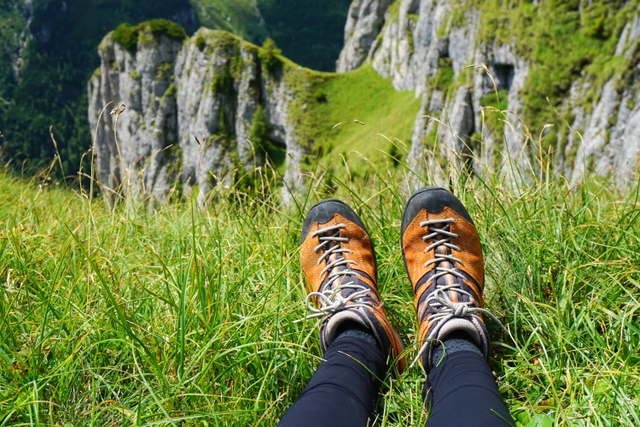
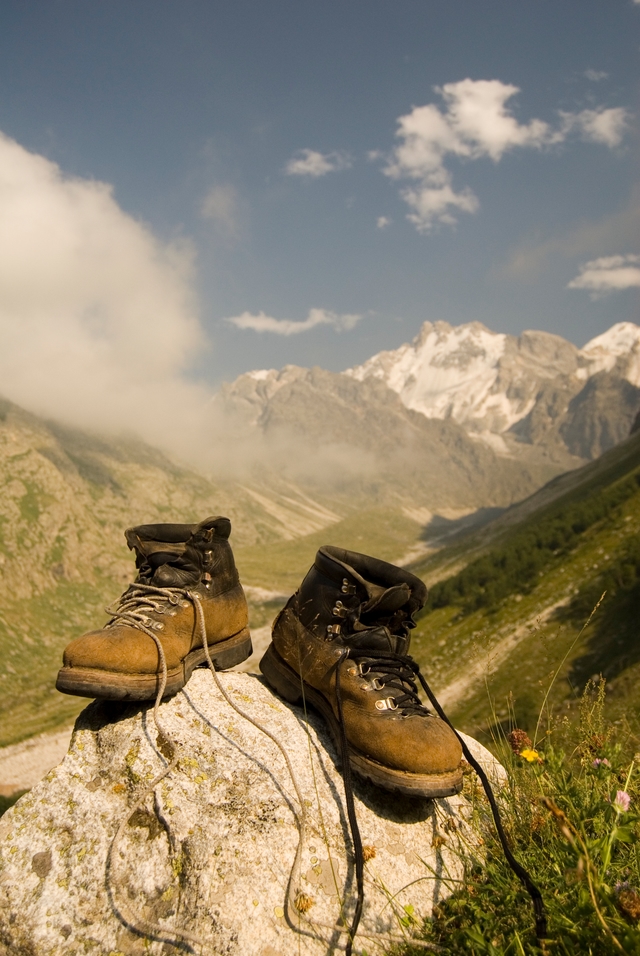
B2 boots cover most 4,000-metre routes: what the B1/B2/B3 ratings really mean, single vs double, and how to match boots to crampons.
50–65 cm suits most mountaineers: how to size an ice axe to your height and terrain, plus classic vs technical types and materials.
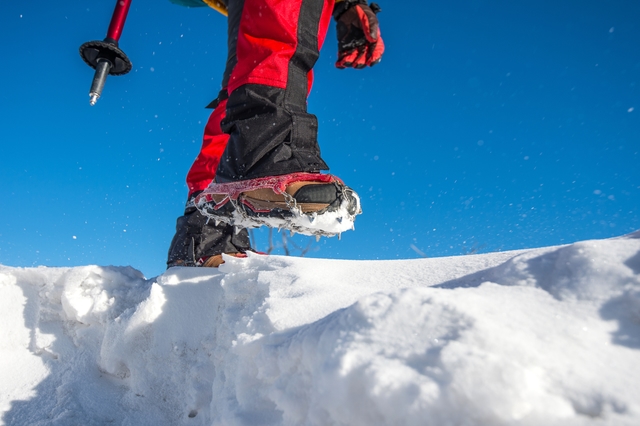
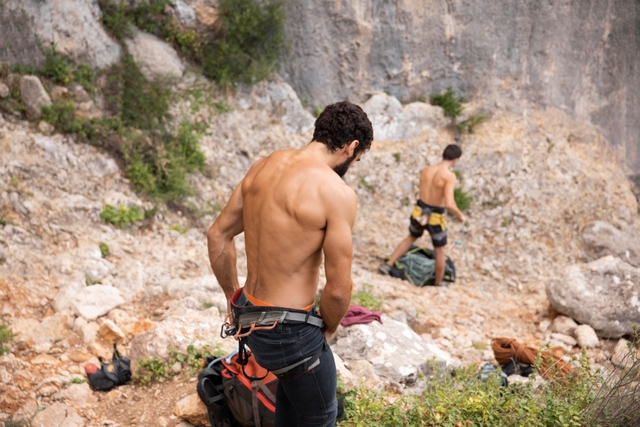
12 points, three binding types, one rule: match the crampon to your boot. A practical guide to picking crampons for glacier and alpine routes.
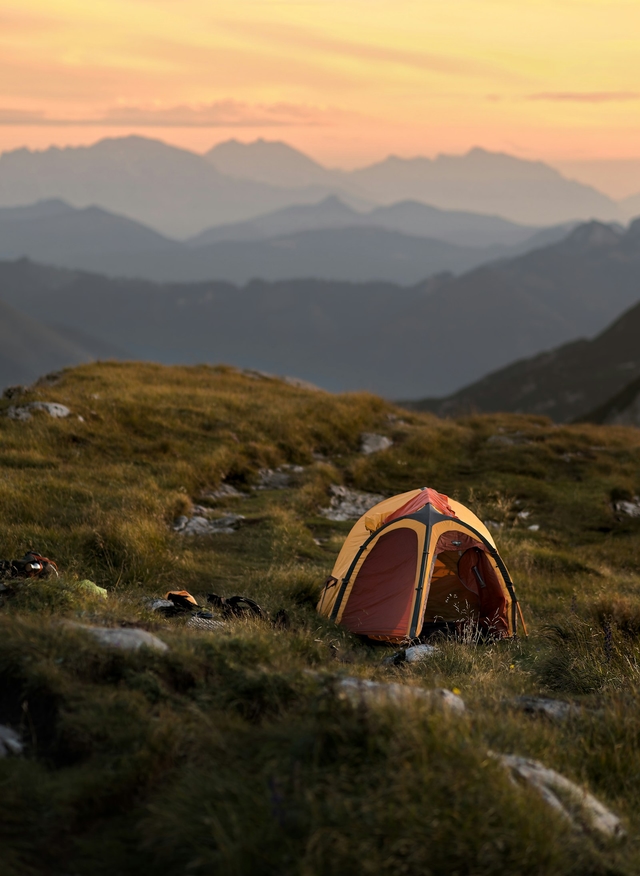
3–4 weeks of nightly use raises red blood cell mass enough to cut AMS risk — the science, a step-up protocol, and how to set your tent's O₂ target.
300–500m of descent raises SpO₂ faster than anything else — breathing techniques, rest strategies, and acclimatization schedules that actually help.
500m per night is the ascent limit above 3,000m — the 7 rules that cut AMS risk, covering hydration, Diamox timing, and SpO₂ checks, per WMS 2024.
69% of sea-level oxygen remains at 10,000ft — enter any elevation for O₂% and expected SpO₂, from Colorado trails to Everest base camp.
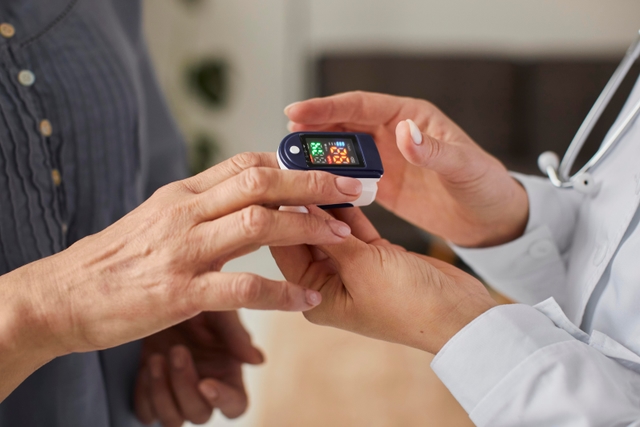
88–92% SpO₂ is normal at 3,500m — what a falling reading means, which numbers should worry you, and why the device is an early warning, not a diagnosis.
1,800–2,700m is the sweet spot for altitude camps — minimum stay, EPO timing, VO2max gains, and real SpO₂ data for amateurs training in Europe.
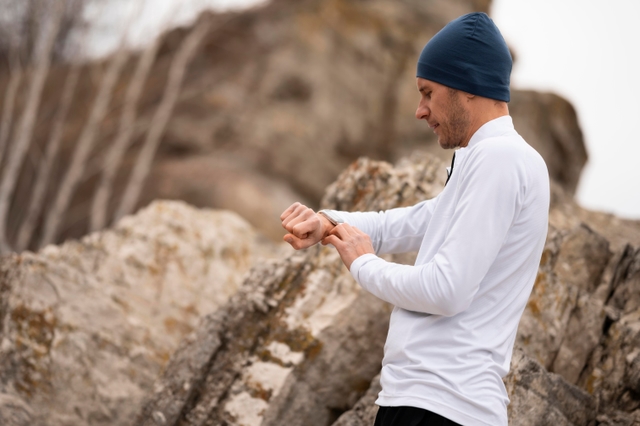
±2–3% accuracy is the clinical bar (IEC 60601-1) — compare 5 fingertip and wearable models for cold, battery life, and readability above 4,000 m.
3–4 litres of water per day is the minimum above 3,000m — the full layering system, crampon kit, medication list, and pulse oximeter picks for expeditions.
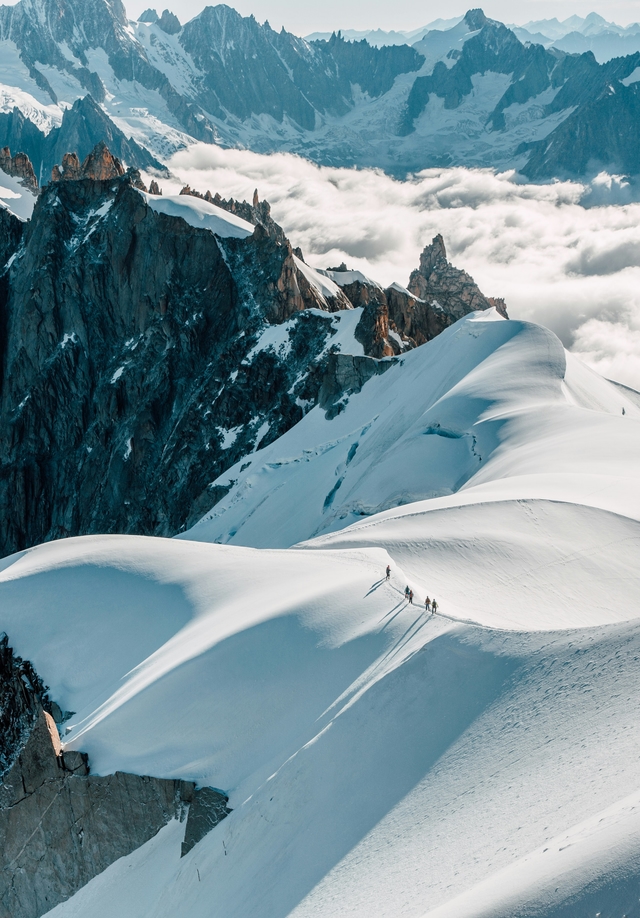
4,810m is the summit, and 12 weeks is the training window: a week-by-week plan, preparatory ascents, and the O₂ levels to expect near the top.
5–10 points off is the typical error from cold hands or motion — the 3-step technique for a reliable SpO₂ reading, and how to read the number right.
300–500m per night is the acclimatization ceiling above 3,000m: the climb-high-sleep-low method, warning signs, and pre-acclimatization tactics that work.