Medical disclaimer. This article is for informational purposes only. HACE and HAPE are medical emergencies: if you suspect either condition, do not wait for medical confirmation — descend immediately and call for rescue.
HACE and HAPE are not simply severe forms of common altitude sickness: they are distinct emergencies that can kill within hours. HAPE — high altitude pulmonary edema — is the leading cause of death from altitude illness. HACE — cerebral edema — can progress to coma rapidly if untreated. While distinguishing the two is important for choosing the correct treatment, the initial response is always the same: descend immediately.
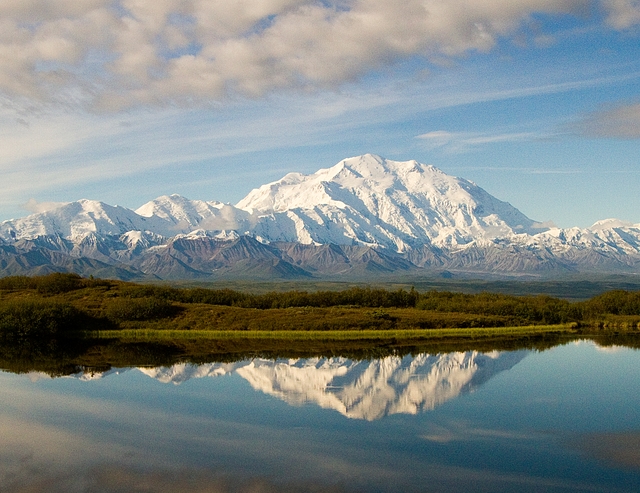
You can assess your physiological risk at any target altitude before your expedition with the Oxymeter calculator. Peaks such as Aconcagua (6,962 m), Denali (6,190 m), and Kilimanjaro (5,895 m) all fall within the high-risk altitude band.
What is HACE: High Altitude Cerebral Edema
HACE (High Altitude Cerebral Edema) is the most severe neurological expression of altitude illness. Under low partial pressure of oxygen, the cells lining the cerebral vascular endothelium lose their tight-junction integrity: intravascular fluid leaks into the brain parenchyma, raising intracranial pressure.
Symptoms of HACE
The primary warning sign is the appearance of neurological symptoms in a climber who already has altitude sickness:
- Ataxia — difficulty walking in a straight line, staggering (field test: the person cannot heel-to-toe walk along a straight line)
- Altered consciousness — confusion, disorientation, inappropriate irritability, excessive drowsiness
- Severe headache that does not respond to analgesics
- Persistent nausea and vomiting
- In advanced stages: hallucinations, loss of consciousness, coma
How to perform the ataxia test in the field: Ask the climber to walk in a straight line placing one foot directly in front of the other (like walking a tightrope). If they cannot do this, the test is positive — act immediately.
Lake Louise Score and HACE
A Lake Louise Score ≥ 3 combined with headache plus ataxia or altered consciousness meets the diagnostic criteria for HACE. Do not wait for additional symptoms: this is the moment to descend.
What is HAPE: High Altitude Pulmonary Edema
HAPE (High Altitude Pulmonary Edema) is even more insidious than HACE because it can develop without prior classic AMS — a climber can feel well the day before and develop HAPE overnight. It is the most frequent cause of death from altitude illness.
The mechanism: in response to hypoxia, pulmonary vessels constrict (hypoxic pulmonary vasoconstriction). In susceptible individuals this response is exaggerated, causing breakdown of the alveolar-capillary barrier and fluid accumulation in the alveoli.
Symptoms of HAPE
HAPE develops over hours, often during the first or second night at a new altitude:
- Early phase: dry cough, mild reduction in exercise tolerance, dyspnea on exertion
- Intermediate phase: productive cough with frothy or pinkish sputum, dyspnea even with minimal effort, SpO₂ significantly reduced from the previous measurement (drop > 10 percentage points)
- Advanced phase: dyspnea at rest, cyanosis of lips and fingertips, crackling sounds on auscultation, tachycardia
Definitive sign: productive cough with pink or frothy sputum indicates established HAPE — do not wait for further confirmation.
HAPE without AMS: the hidden risk
HAPE can appear without a clear preceding episode of AMS, particularly in individuals with a prior history of HAPE (the strongest single risk factor) or those who have ascended very rapidly. Susceptibility to HAPE is partly genetic and tends to recur on subsequent climbs.
How to Treat HACE and HAPE in the Field
The golden rule: descend
Descent of 500–1,000 m is the most effective treatment for both conditions — superior to any drug. Even 300 m of descent can make a decisive difference. Do not wait until morning if symptoms develop during the night.
Treatment for HAPE
| Measure | Detail |
|---|---|
| Immediate descent | 500–1,000 m — absolute priority |
| Supplemental oxygen | 2–4 l/min, until SpO₂ > 90% |
| Nifedipine | 30 mg slow-release (or 10 mg immediate-release + 20 mg slow-release) — reduces pulmonary artery pressure |
| Gamow bag | Portable hyperbaric chamber as a bridge until descent — 2–4 hPa overpressure simulates a descent of 1,000–2,500 m |
| Complete rest | Exertion worsens HAPE — carry the patient if possible |
Inhaled salmeterol (125 µg twice daily) has demonstrated prophylactic efficacy in individuals with a history of HAPE in WMS clinical trials.
Treatment for HACE
| Measure | Detail |
|---|---|
| Immediate descent | 500–1,000 m — absolute priority |
| Supplemental oxygen | 2–4 l/min |
| Dexamethasone | 8 mg IM (or oral) initial dose, then 4 mg every 6 hours — reduces cerebral edema |
| Gamow bag | As for HAPE, while awaiting descent |
| Consciousness monitoring | Glasgow Coma Scale every 30 minutes; if < 13, evacuation is an absolute priority |
Dexamethasone does not replace descent: it temporarily masks symptoms and can produce a false sense of improvement. It is used to stabilize the patient during evacuation.
When to Descend Without Waiting
There is never an ideal moment to descend — but there are signs that make descent non-negotiable:
- Ataxia (cannot walk in a straight line)
- Any alteration of consciousness
- Productive cough with pink or frothy sputum
- SpO₂ < 75% (or a drop > 10 percentage points from baseline)
- Dyspnea at rest
The most common mistake is waiting until morning or attempting pharmacological treatment without descending. Drugs buy time: descent is the cure.
How to Prevent HACE and HAPE
Prevention overlaps with that for acute mountain sickness:
- Gradual ascent — limit sleeping altitude gain to no more than 500 m per day above 2,500 m
- "Climb high, sleep low" — ascend during the day, sleep at a lower elevation
- Hydration — 3–4 litres per day above 3,000 m
- Prophylactic acetazolamide — by medical prescription, reduces AMS risk and indirectly HACE risk. See the guide on Diamox for altitude sickness
- Inhaled salmeterol (by prescription) — specifically indicated for HAPE prevention in individuals with a prior history
- Early recognition — carry a pulse oximeter to base camp, take serial SpO₂ readings
For peaks requiring multiple nights at altitude such as Aconcagua or Denali, plan acclimatization rest days and always carry a pulse oximeter and the emergency drug kit agreed with your physician.
Read more: All guides on altitude health
Frequently Asked Questions
What is HACE and how does it differ from altitude sickness?
HACE is high altitude cerebral edema: the severe neurological form of altitude illness. It differs from common AMS through the presence of ataxia (staggering, inability to walk in a straight line) and altered consciousness. Common altitude sickness does not cause these neurological signs.
What are the symptoms of HAPE?
HAPE is identified by a cough that becomes productive (frothy or pink sputum), dyspnea progressing to rest, a significant drop in SpO₂, and cyanosis of the lips. It is the most common cause of death from altitude illness and can appear without a prior AMS episode.
How do you treat HACE and HAPE in the field?
The priority measure is always immediate descent of at least 500–1,000 m. Supporting measures: supplemental oxygen (2–4 l/min), Gamow bag as a bridge. For HAPE: nifedipine. For HACE: dexamethasone. Drugs stabilize but do not replace descent. Call emergency services (local mountain rescue).
At what altitude does high altitude edema develop?
HAPE typically develops above 2,500–3,000 m. HACE usually above 3,500–4,000 m. Both are more frequent with rapid ascent and in individuals with a prior history. Individual susceptibility is the primary risk factor.
If you are planning an ascent of demanding peaks such as Aconcagua, Kilimanjaro, or Denali, check the oxygen levels and estimated physiological risk with the Oxymeter calculator.
For a complete overview of altitude sickness in its common form, read the guide on Acute Mountain Sickness (AMS).