Acclimatization is not optional for those venturing into high altitude: it is the physiological process that separates a safe ascent from a medical emergency. The human body is remarkably capable of adapting to altitude hypoxia — but it requires time, gradualness, and the right stimuli. This guide explains how it works and how to harness it effectively.
What happens in the body during acclimatization
When you gain altitude, atmospheric pressure falls and the partial pressure of oxygen decreases. The body responds on two distinct timescales:
Immediate response (minutes–hours): carotid chemoreceptors detect falling oxygen and trigger hyperventilation. Breathing rate increases, alveolar oxygen rises. The heart accelerates to pump more blood to tissues. You can measure how much oxygen is available at your current altitude with the Oxymeter calculator.
Chronic response (days–weeks): the kidneys produce more erythropoietin (EPO), which stimulates the bone marrow to produce red blood cells. More haemoglobin in circulation = more oxygen transported. Haematocrit rises from a normal 40–45% to 50–55% in well-acclimatized individuals. New capillaries grow in muscles, mitochondrial density increases, and the oxygen dissociation curve shifts.
This second process requires 3–14 days depending on altitude and the individual. It cannot be accelerated beyond certain biological limits — and this is where many climbers go wrong.
The fundamental principle: climb high, sleep low
The golden rule of acclimatization in four words: climb high, sleep low. The body acclimatizes primarily during sleep, when adaptive mechanisms work at full capacity. Providing the hypoxic stimulus during the day (high altitude) and sleeping lower at night optimises adaptation while minimizing risk.
In practice: if climbing a mountain above 4,000 m, aim for higher elevation during the day (acclimatization stimulus), then return to sleep at base camp or a lower camp.
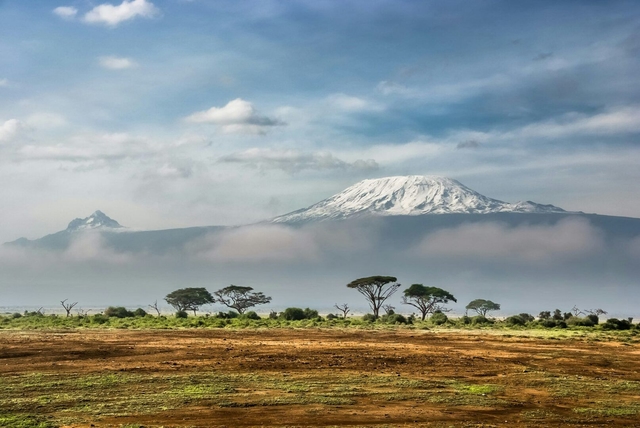
Concrete example: Kilimanjaro (5,895 m)
The standard ascent of Kilimanjaro takes 7–8 days specifically to respect this principle. Each day involves gradual ascent, sleeping at progressively higher altitudes with a slow progression. The Marangu ("Coca-Cola") Route compressed to 5 days has significantly lower success rates than the 7–8 day itinerary.
The 300–500 metre rule
Above 2,500 m, sleeping altitude should not increase by more than 300–500 m per day. For every 1,000 m of elevation gained, include a rest day at the same altitude ("acclimatization day").
This rule applies to sleeping altitude, not daily excursion distance. One can perfectly well climb 1,000 m during the day and return to sleep at the starting altitude without violating the principle.
Sample schedule: Everest Base Camp Trek (5,364 m)
| Day | Stage | Sleeping altitude | Notes |
|---|---|---|---|
| 1–2 | Arrival Lukla → Namche | 3,440 m | Flight from Kathmandu (1,400 m) — rapid gain |
| 3 | Rest day Namche | 3,440 m | Critical acclimatization day |
| 4 | Namche → Tengboche | 3,860 m | +420 m |
| 5 | Tengboche → Dingboche | 4,360 m | +500 m |
| 6 | Rest day Dingboche | 4,360 m | Excursion to 5,000 m recommended (climb high, sleep low) |
| 7 | Dingboche → Lobuche | 4,940 m | +580 m — at the limit, proceed slowly |
| 8 | Lobuche → Gorak Shep | 5,160 m | +220 m — intentionally short stage |
| 9 | Gorak Shep → EBC → Gorak Shep | 5,160 m | Day trip to Base Camp (5,364 m), return to sleep lower |
| 10–14 | Descent | — | Gradual |
Signs of good acclimatization
How can you tell if you are genuinely acclimatizing? The body sends clear signals:
SpO₂: measure SpO₂ every morning on waking. A value that is increasing or stable above 85% at 4,000–4,500 m indicates good acclimatization. A progressive decline is a warning sign.
Resting heart rate: it should decrease and stabilize compared to the first day at a new altitude. If it remains elevated after 2–3 days at the same altitude, the body is struggling to adapt.
Sleep quality: awakenings caused by periodic Cheyne-Stokes breathing tend to decrease with good acclimatization. If they continue or worsen, this is a negative signal.
Urine output: increased urine production in the first 24–48 hours at a new altitude indicates the kidneys are adapting correctly (bicarbonate excretion to compensate for respiratory alkalosis).
Advanced pre-acclimatization strategies
For those with limited time before departure, methods exist to "pre-acclimatize" before reaching the mountain.
Hypoxic tents
Hypoxic tents simulate altitude by reducing the oxygen concentration in inhaled air. Protocols of 10–20 nights in a hypoxic tent (simulating 3,000–4,500 m) can increase haematocrit by 3–5% and reduce AMS risk. Used by professional mountaineers and elite military units.
Limitation: expensive, require specialised equipment and medical supervision. Not a practical solution for most trekkers.
Intermittent hypoxic exposure (IHE)
Daily sessions of 30–90 minutes with masks delivering hypoxic mixtures, producing SpO₂ of 85–90%. Documented in literature as effective for early adaptation, but requires specific equipment and supervision.
Natural pre-acclimatization at moderate altitude
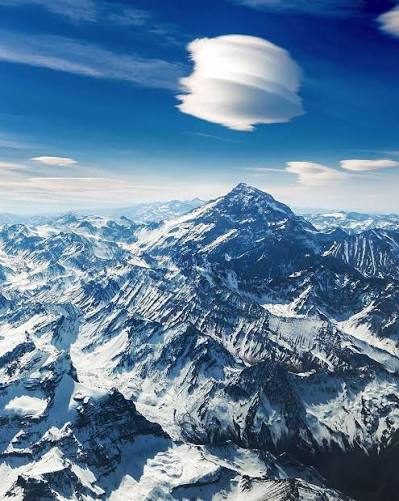
The most accessible method: spending 2–3 nights at moderate elevations (1,500–2,500 m) before a demanding expedition. Even brief exposure activates adaptive mechanisms and reduces AMS incidence in subsequent phases. For those living at sea level preparing for Mont Blanc or Aconcagua, a weekend in Chamonix, Zermatt or Courmayeur (1,200–1,600 m) in the weeks before departure is a worthwhile investment.
Common mistakes to avoid
Ascending too quickly: the most frequent error. "I feel fine" does not mean "I am acclimatized" — AMS symptoms typically appear 6–12 hours after arriving at a new altitude, not immediately.
Underestimating the first 24 hours: intense physical activity in the first hours at a new altitude increases oxygen consumption and worsens hypoxia. Arriving at camp and immediately setting off on a demanding excursion is one of the most common errors.
Trusting physical fitness alone: susceptibility to altitude sickness is genetic and not correlated with athletic preparation. A well-trained marathon runner can be struck by AMS at an altitude where a sedentary person is perfectly fine.
Ignoring body signals: persistent headache, nausea or unusual fatigue are messages the body is sending. Suppressing them with painkillers and continuing to ascend is dangerous.
Frequently Asked Questions
How long does it take to acclimatize at altitude?
It depends on the altitude. Above 2,500 m, immediate acclimatization mechanisms activate within hours, but full adaptation requires 3–5 days for altitudes up to 4,000 m, and 7–14 days for altitudes above 5,000 m. Above 6,000 m, complete acclimatization is never achievable — physiological deterioration progresses even with rest.
Can I skip the rest day if I feel fine?
Not recommended. Altitude sickness can manifest 6–12 hours after arriving at a new altitude. Feeling well in the afternoon does not guarantee that symptoms won't appear overnight. Rest days give the body time to complete adaptation before receiving a new hypoxic stimulus.
Does aerobic training help acclimatization?
Aerobic fitness does not prevent altitude sickness (susceptibility is genetic), but it improves performance at altitude and recovery capacity. A high VO₂max provides greater "physiological reserve" when available oxygen decreases.