A wrong equipment list can cost you an expedition — or worse. At high altitude the consequences of a preparation error are amplified: cold takes away hand function, fatigue slows thinking, and hypoxia reduces judgment. Bringing the right gear means having solutions ready before problems arise.
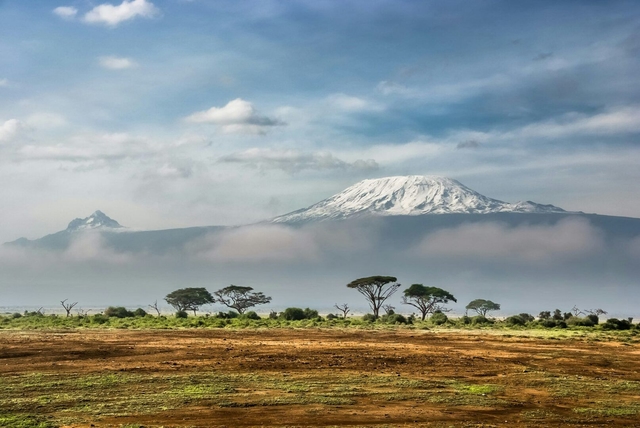
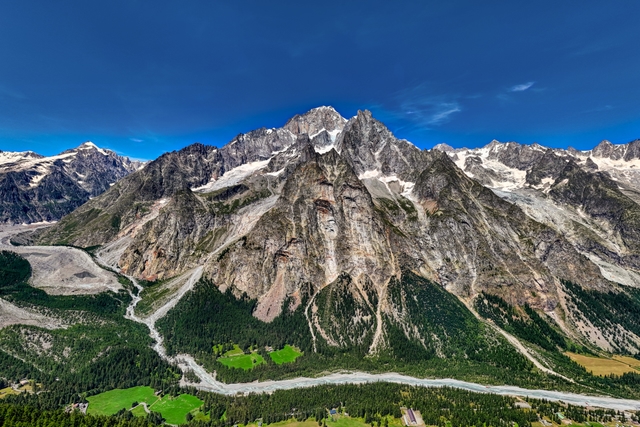
This checklist covers everything needed for mountaineering and trekking above 3,000 m — from an alpine weekend peak to more demanding expeditions like Kilimanjaro or Mont Blanc.
Before departure, use the Oxymeter calculator to verify oxygen levels and estimated risk at your target altitude.
Clothing: The Layering System
The basic principle never changes: three layers, each with a specific function. At high altitude this is not about comfort — it is about thermoregulation in an environment that can swing from +15°C to −20°C within a few hours.
Layer 1 — Thermal base layer (against the skin)
| Item | Characteristic | Avoid |
|---|---|---|
| Long-sleeve thermal top | Merino wool or synthetic (Polartec Power Dry) | Cotton — retains sweat and does not dry |
| Thermal leggings | Merino wool or synthetic | Denim, heavy fabrics |
| Technical socks | Merino wool, mid-calf height minimum | Cotton |
| Balaclava / neck gaiter | Merino wool or Polartec | — |
Layer 2 — Insulating mid-layer
| Item | Characteristic | Notes |
|---|---|---|
| Fleece / softshell | Polartec 200 or equivalent | For moderate temperatures (0/+10°C) |
| Down jacket / heavy softshell | Down 600+ fill power or Primaloft | For cold conditions (below 0°C) |
| Softshell trousers | Lightweight waterproof, stretchy | Priority is freedom of movement |
Layer 3 — Outer shell (protection from the elements)
| Item | Characteristic | Notes |
|---|---|---|
| Hardshell jacket | Gore-Tex or equivalent, waterproof/breathable | Mandatory for any serious altitude |
| Hardshell trousers | Gore-Tex, with side zip to put on over crampons | — |
| Thin inner gloves (liners) | Polartec, for use with ice axe and rope | Allow dexterity |
| Warm outer gloves / mitts | Waterproof, rated to at least −20°C | For rests, wind, extreme temperatures |
| High-altitude boot | Rigid boot compatible with automatic crampons | For peaks above 4,000 m with ice |
| Gaiters | Waterproof, mid-height | For deep snow and ice |
Sunglasses: category 4 is mandatory above 3,500 m. UV radiation at 4,000 m is 3–4× sea level, and snow reflects it. One day without adequate eye protection can cause snow blindness (photokeratoconjunctivitis).
Technical Equipment
The list varies by route difficulty and altitude. This is the configuration for snow and ice mountaineering on peaks up to 6,000 m:
| Equipment | When needed | Notes |
|---|---|---|
| 12-point crampons | Hard snow and ice | Automatic or semi-automatic with rigid boots |
| Ice axe | Snow, ice, steep slopes | Classic 60–65 cm; always carry above 3,500 m on snow |
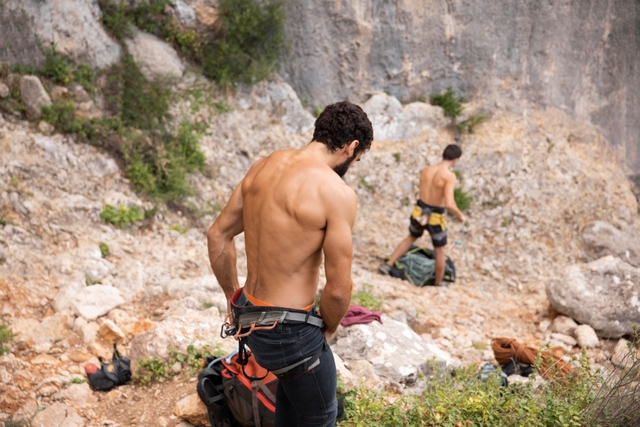
| Harness | Glacier, via ferratas, fixed ropes | Mandatory for any roped section |
| Rope | Glacier or routes without fixed ropes | 30–40 m glacier rope for 2 people |
| Helmet | Couloirs with rockfall or icefall risk | Mandatory on Goûter, recommended elsewhere |
| HMS carabiners × 2 | — | For self-belay |
| Descender / ascenders | — | Depends on technique and route |
| Telescopic poles | — | Useful on non-technical snow; abandon if arm freedom is needed |
Health and Altitude Medications
This section requires a prior medical consultation — do not improvise the medication kit. The list is a guide to discuss with your doctor before departure.
Monitoring kit
| Item | Use | Notes |
|---|---|---|
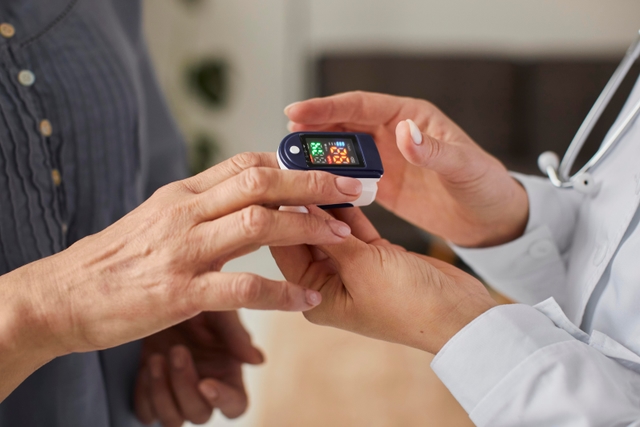
| Fingertip pulse oximeter | SpO₂ and heart rate monitoring | Essential above 3,500 m. See usage guide |
| Thermometer | Hypothermia and fever | Model with rigid case |
| Digital blood pressure monitor | Optional, for long expeditions | Useful to monitor cardiovascular response |
Altitude medication kit (to be agreed with your doctor)
| Medication | Altitude use | Class |
|---|---|---|
| Acetazolamide (Diamox) | AMS prophylaxis and treatment | Prescription — see Diamox guide |
| Ibuprofen 400 mg | AMS headache | OTC |
| Paracetamol 1,000 mg | Alternative to ibuprofen | OTC |
| Dexamethasone 4–8 mg | HACE emergency — prescription only | Only for remote expeditions above 4,500 m |
| Nifedipine 30 mg SR | HAPE emergency — prescription only | Only for remote expeditions above 4,500 m |
| Anti-nausea (e.g. ondansetron) | AMS with vomiting | Prescription |
| Anti-diarrhoeal (loperamide) | — | OTC |
| Broad-spectrum antibiotic | Remote infections | Prescription |
First aid kit
- Assorted plasters and bandages
- Sterile gauze pads and medical tape
- Scissors and tweezers
- Latex gloves
- Triangular bandage
- Mylar emergency blanket
- Antiseptic (chlorhexidine)
- Blister plasters (Compeed or equivalent)
Navigation and Communication
| Item | Priority | Notes |
|---|---|---|
| Headlamp + spare batteries | Essential | Summit departures are always at 2–4 AM |
| Dedicated GPS or smartphone with offline maps | High | Download maps beforehand — no signal at altitude |
| Topographic map + compass | Medium | Analogue backup in case of electronic failure |
| VHF radio | High for remote expeditions | Emergency channel (check local frequency) |
| Satellite communicator (Garmin inReach, SPOT) | High for remote expeditions | Two-way SOS even without mobile coverage |
| Whistle | Low | Weighs nothing, potentially life-saving |
| Power bank (10,000+ mAh) | High | Batteries discharge 3× faster in the cold |
| Charging cable × 2 | Medium | Always a backup |
Note on batteries in the cold: at −10°C a lithium battery loses 20–40% of its capacity. Keep power banks, radios, and headlamps warm — next to your body, inside your sleeping bag at night.
Nutrition and Hydration
Water and hydration
| Item | Quantity | Notes |
|---|---|---|
| Insulated bottle | 1–2 L | Water in standard bottles freezes above 4,000 m |
| Hydration bladder (optional) | 1–2 L | The tube freezes above 3,500 m — cover it or use a bottle instead |
| Purification tablets | 10+ | Backup if no refuges available |
| Water filter | 1 | For remote expeditions far from refuges |
| Electrolyte supplement | 10 sachets | Increased urination at altitude increases salt loss |
Hydration rule at altitude: minimum 3–4 litres per day above 3,000 m, 4–5 litres on ascent days. Clear urine = correct hydration.
Food
At altitude appetite decreases (effect of hypoxia on the hunger centre), but energy consumption increases. The strategy: eat even when not hungry; prioritize carbohydrates (faster digestion in hypoxia).
| Category | Examples | Notes |
|---|---|---|
| Fast carbohydrates | Energy bars, gels, dates, honey | To consume during the ascent |
| Complex carbohydrates | Crispbreads, crackers, puffed rice | Breakfast and dinner at the refuge |
| Compact proteins | Nuts, jerky, aged cheese | Not the only source — harder to digest at altitude |
| Hot food | Freeze-dried soups, broth | Essential for morale and warming |
| To avoid | Very fatty foods in the first 24h at a new altitude | Slow digestion worsens AMS symptoms |
Pre-Departure Checklist
Before closing your pack, verify these final items:
- Fresh batteries for pulse oximeter, headlamp, and radio
- Power bank fully charged
- Medications within expiry date and in waterproof bags
- Offline map downloaded for the area (works in aeroplane mode)
- Mountain rescue number saved (112 in Europe, local number abroad)
- Ascent plan communicated to someone outside the expedition
- Insurance with helicopter rescue cover active
- Pulse oximeter tested with a stable reading
Frequently Asked Questions
What are the absolute essentials for high altitude above 4,000 m?
Non-negotiables: three-layer clothing system (thermal base, insulation, shell), 12-point crampons, ice axe, harness, pulse oximeter, altitude medication kit agreed with your doctor, headlamp with spare batteries, category 4 sunglasses, SPF 50+.
How much water do you need at high altitude?
Minimum 3–4 litres per day above 3,000 m, 4–5 litres on ascent days. Use insulated bottles — water freezes above 4,000 m. Carry purification tablets as backup.
What should you never take to high altitude?
Alcohol and sedatives (suppress ventilation in hypoxia), cotton clothing against the skin, very fatty foods in the first 24 hours at a new altitude. Also avoid spare batteries in the wrong format for your devices — it matters in an emergency.
Do you need a pulse oximeter in the mountains?
Yes — above 3,500–4,000 m it is strongly recommended. It allows you to monitor SpO₂ and acclimatization trend, detect early altitude sickness signals, and base ascent decisions on data. Reliable models cost €25–60.
To understand oxygen and SpO₂ values at your target altitude, use the Oxymeter calculator.
For physical preparation and acclimatization on peaks like Mont Blanc or Kilimanjaro, read the dedicated guides: how to prepare for Mont Blanc and how to use a pulse oximeter in the mountains.