A pulse oximeter at altitude is useless if used incorrectly — and using it incorrectly is surprisingly easy. Measuring with cold hands, standing up after 10 minutes of walking, with nail polish on: each of these mistakes can give you a reading that is 5–10 points off, causing you to under- or overestimate your acclimatization status.
This guide gives you the correct three-step procedure, reference tables, and the specific mistakes to avoid at high altitude.
To choose the right model for your type of ascent, read the guide to the best pulse oximeter for hiking.
Check expected SpO₂ values at your target altitude using the Oxymeter calculator.
3-Step Procedure for a Reliable Reading
1. Prepare before measuring
- Sit down and remain still for at least 3 minutes — if you have just been walking, wait twice as long
- Warm the finger if it is cold: rub the index or middle finger vigorously for 30 seconds, or hold it closed in your fist under your armpit for 1–2 minutes
- Remove any nail polish — especially dark or reddish shades, which block the sensor's red light
- Remove gloves completely — thin gloves can interfere with the sensor, thick ones certainly will
2. Take the measurement
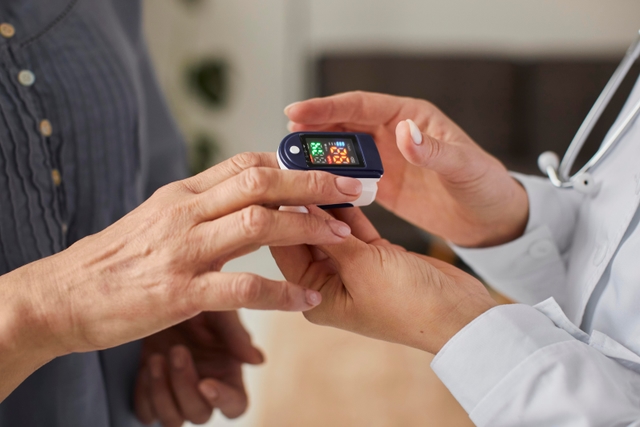
- Insert the index or middle finger (not the thumb — less well perfused) fully into the device
- The finger must be dry — remove sweat or sunscreen first
- Do not move during the measurement and do not talk: even small movements create artefacts
- Do not change your breathing — do not hold your breath to "help" the reading
- Wait for full stabilization: at low altitude 10–15 seconds are enough; at altitude, in the cold, 30–60 seconds may be needed
3. Interpret and record
- Read the SpO₂ value and heart rate once they have stabilized (oscillation < 2 points)
- If readings vary by more than 5 points between consecutive measurements under the same conditions, repeat after further warming the finger
- Always record: SpO₂, heart rate, time, altitude, conditions (resting / after exertion)
- Compare with previous measurements — the trend is more meaningful than a single value
When to Measure SpO₂ at Altitude
Not all measurements carry the same informational weight.
| Timing | Usefulness | Notes |
|---|---|---|
| Morning, before getting up | ⭐⭐⭐⭐⭐ High | Reflects overnight adaptation; least influenced by exertion |
| After 20 min of rest on arrival at new altitude | ⭐⭐⭐⭐ High | Reveals initial response to hypoxia |
| While moving | ⭐ Low | Movement artefacts; difficult to interpret |
| Immediately after exertion | ⭐⭐ Medium | Useful for comparing recovery across days |
| Evening before sleep | ⭐⭐⭐ Medium | Useful to identify progress compared to the morning |
The morning measurement is the one to use for ascent decisions. If morning SpO₂ is low (see the reference table below), do not ascend — even if you feel well. The body can compensate subjectively while organs are already under stress.
How to Read the Result: SpO₂ Reference Values by Altitude
These values are guidelines, not absolute thresholds. Individual response to hypoxia varies considerably.
| SpO₂ | Interpretation at 2,500–3,500 m | Interpretation at 3,500–5,000 m |
|---|---|---|
| ≥ 95% | Excellent acclimatization | Exceptional — rare |
| 92–94% | Good | Good acclimatization |
| 88–91% | Acceptable, monitor | Acceptable with acclimatization |
| 85–87% | Caution — no ascent | Threshold zone — mandatory rest |
| < 85% | Alarm — rest and consider descent | Alarm — consider descent |
| < 80% | Emergency | Emergency — descend |
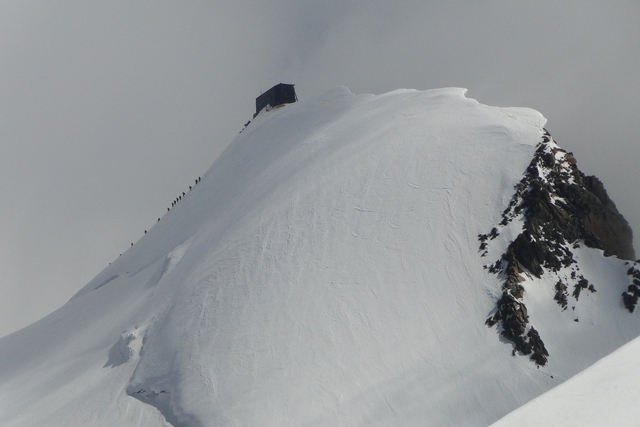
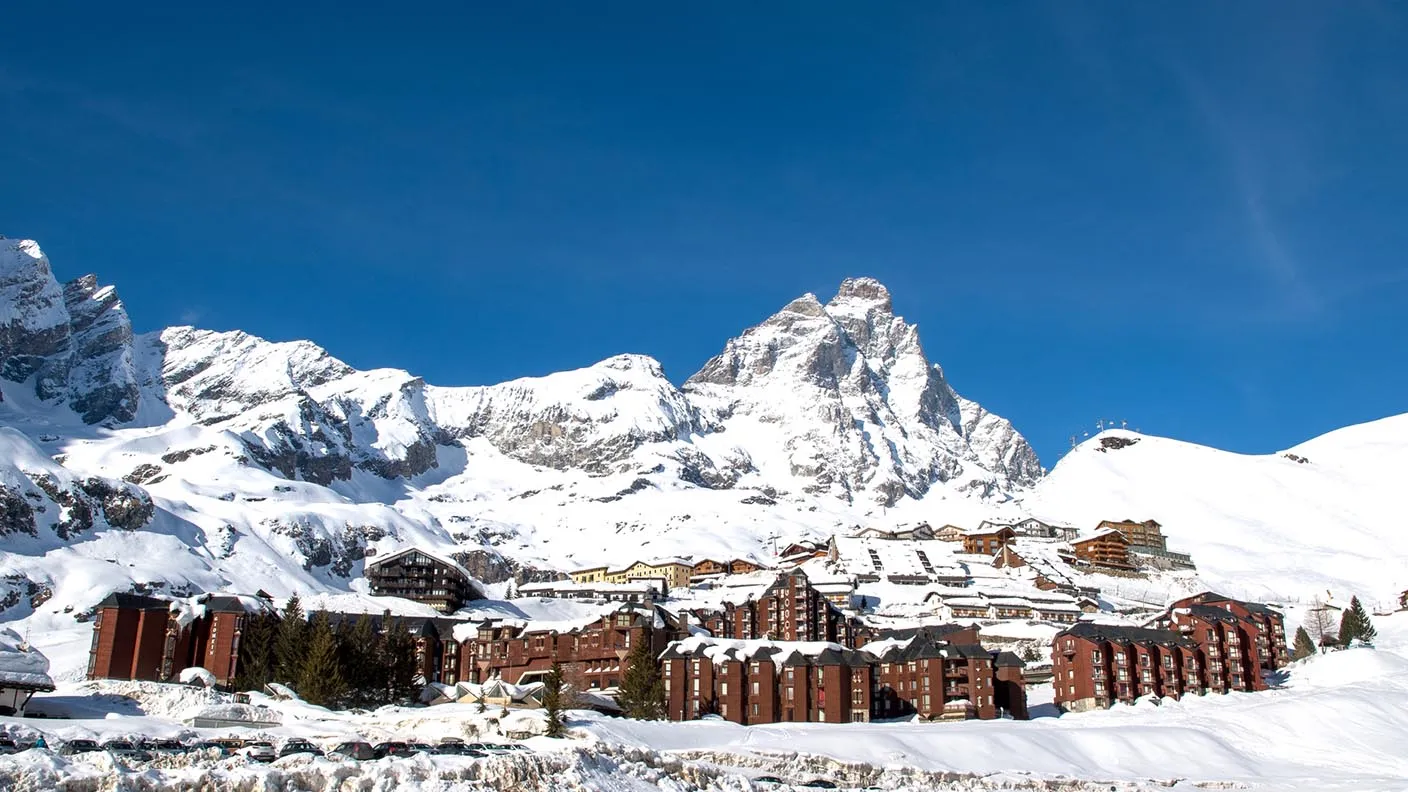
At Capanna Margherita (4,554 m), the highest meteorological station in Europe and a refuge where many mountaineers spend the night before ascending the Matterhorn or nearby peaks, typical morning SpO₂ readings are 82–90%. Values below 80% in the morning signal insufficient acclimatization.
The Most Common Mistakes (and How to Avoid Them)
Measuring immediately after arriving at a new altitude
You arrive at a 3,500 m refuge and measure SpO₂ after 10 minutes: 82%. Panic. But this is normal — in the first 30–90 minutes at a new altitude SpO₂ is always lower than the equilibrium value. Wait at least 20–30 minutes of rest before taking a meaningful measurement.
Using the device with depleted batteries
Near-dead batteries mean a weaker optical sensor and less accurate readings. Check batteries before every expedition. Always carry spare batteries of the same type.
Only measuring when you feel unwell
A pulse oximeter is a surveillance tool, not just an emergency device. Its value lies in the trend: comparing this morning's readings with yesterday's, at the same time, under the same conditions. If morning SpO₂ drops by 3–5 points from one day to the next, you are losing ground on acclimatization — even if you have no obvious symptoms.
Ignoring heart rate
A pulse oximeter also measures pulse. At altitude, a resting morning heart rate significantly higher than usual (> 20 bpm above your personal baseline) is a sign of physiological stress, even if SpO₂ is acceptable. Always record both values.
The −4% Rule: Cold and Vasoconstriction
In intense cold (below 0°C), peripheral vasoconstriction can reduce perfusion in the fingers to the point where the oximeter reads 3–7 points below the real value. This is sometimes called the "−4% rule": if your fingers are cold, mentally add 3–5 points to the displayed value for a more realistic estimate.
However, do not use this correction to dismiss low readings. If you warm the finger thoroughly and the value remains low, that is the true value. The correction applies only when you are certain that vasoconstriction is the cause of the low reading — and you know this when the value varies by 5+ points between a cold and a warmed finger.
Frequently Asked Questions
How do you correctly use a pulse oximeter at altitude?
Sit still for 3 minutes. Warm the finger. Insert the index or middle finger without nail polish. Wait for stabilization (20–60 seconds at altitude). Record SpO₂ and heart rate. Repeat if readings vary by more than 5 points.
When should you measure SpO₂ on the mountain?
The most important measurement is in the morning, before getting out of your sleeping bag. Also measure after every significant altitude gain (after 20 minutes of rest) and when symptoms are present. Avoid measuring immediately after exertion — wait at least 10–15 minutes.
What does SpO₂ 88% mean at altitude?
It depends on the altitude and acclimatization level. At 3,000 m it is low and requires rest. At 4,500 m with acclimatization it is in the lower normal range. At 5,000 m with good acclimatization it is acceptable. The daily trend is more informative than the absolute value.
Does cold affect the reading?
Yes — cold causes peripheral vasoconstriction that reduces signal quality. The reading can be falsely low by 3–7 percentage points. Always warm the finger before measuring by rubbing it for 30 seconds or holding it under your armpit.
Want to know the expected SpO₂ at your target altitude? Use the Oxymeter calculator to estimate it based on your elevation.
For choosing the most suitable pulse oximeter for your ascents, read the guide to the best pulse oximeter for hiking. For managing blood oxygen levels at altitude and recognizing altitude sickness, consult the oxygen saturation altitude chart.