Denali
Alaska Range, Alaska, USA
Oxygen Analysis — Oximeter
Oxygen comparison
Required Preparation
At 6190 m, with 45% oxygen available, perceived effort increases compared to sea level.
How to prepare
- Occasional training: this altitude requires mountaineering experience and specific preparation.
- Regular training: plan multiple days of progressive acclimatization at intermediate altitudes.
- Endurance training: physical fitness alone does not replace acclimatization at these altitudes.
- Consult a mountain medicine specialist before departure.
Route and Trail
Peak Guide
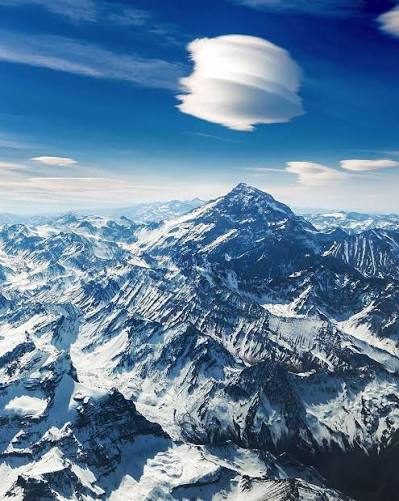
The roof of North America. A mountain that is not merely tall — Denali is one of the coldest, most wind-battered, and most demanding peaks on Earth, where polar blizzards can strike in July, temperatures can plunge to −50°C, and the barometric pressure delivers a mere 45% of the oxygen available at sea level. At 6190 meters above sea level in the Alaska Range, Denali is not just the highest mountain on the North American continent: it is an extreme high-altitude experience that tests the human body as severely as the Himalaya, situated at subarctic latitudes where the physiological altitude effect is compounded by polar low-pressure systems. Climbing via the West Buttress — the standard route, though anything but standard — means spending three weeks in a world of ice, establishing a chain of high camps, hauling everything by sled and pack, and pitting yourself against one of the most hostile environments on the planet.
Quick Facts
| Detail | Value |
|---|---|
| Altitude | 6190 m a.s.l. (main summit) |
| Massif | Alaska Range, central Alaska mountain chain |
| Names | Denali (official name since 2015), McKinley (historical US name) |
| Difficulty | AD/D — Technical glacier mountaineering, multi-week expedition |
| Total elevation gain | ~3995 m from Kahiltna Base Camp (2195 m) |
| Total distance | ~35 km round-trip (West Buttress) |
| Duration | 17–21 days (full expedition) |
| Recommended season | May – July |
| Starting point | Kahiltna Base Camp (2195 m) — access only by bush plane |
| High camp | High Camp (5240 m) |
Oxygenation and Acclimatization
At 6190 meters and latitude 63° North, Denali presents some of the most severe hypoxia conditions recorded on any mountain in the world. Barometric pressure delivers only 45% of the oxygen available at sea level. But there is more: the polar barometric effect further amplifies hypoxia compared to mountains of equal altitude at tropical latitudes — atmospheric pressure at polar latitudes is lower than at the Equator even at the same elevation. This means Denali behaves physiologically like a mountain taller than the numbers suggest: many climbers describe High Camp (5240 m) as feeling equivalent to a camp at 5700–5800 m in the Himalaya.
Typical summit SpO₂ ranges between 55 and 65% for well-acclimatized climbers after weeks of progressive ascent. Values this low cause cognitive confusion, hallucinations in severe cases, extreme breathlessness even at rest, and a real risk of HACE (High Altitude Cerebral Edema) and HAPE (High Altitude Pulmonary Edema). Denali averages 2–4 deaths per year — frequently from altitude-related causes.
The acclimatization strategy on Denali relies on the carry system: ascend to a higher camp with full loads, cache a portion of gear in the snow, descend to sleep at the previous camp, and repeat the next day. This "climb high, sleep low" pattern is the only safe method for building the acclimatization needed for the summit. There are no shortcuts: those who push the schedule pay the price with acute mountain sickness or edema.
Use pressure breathing above 5000 meters: exhale forcefully against pursed lips. Drink at least 4–5 liters of water per day (cold suppresses the sensation of thirst, but dehydration remains lethal). Monitor your SpO₂ with a pulse oximeter at every altitude change. HACE symptoms — ataxia, confusion, intense headache unresponsive to medication — require immediate descent, regardless of time of day or weather conditions. For a complete field guide to HAPE and HACE recognition and treatment protocols, see HACE and HAPE: High Altitude Edema Symptoms & Treatment.
Before your expedition: use the Oxymeter altitude oxygen calculator to model oxygen availability at each Denali camp — from Kahiltna Base Camp (2195 m) to High Camp (5240 m) and the summit (6190 m). Understanding the progressive hypoxia you'll face at each stage is an essential part of expedition planning.
Note: This advice is informational and does not replace medical consultation. Consult a physician specializing in high-altitude medicine before attempting Denali.
The Ascent (West Buttress — 17–21 days)
The West Buttress is Denali's standard route, pioneered by Bradford Washburn in 1951, and still used by 90% of climbers attempting the summit. There are no huts: climbers live and sleep in tents rated for 150 km/h winds. Each camp is fortified with snow walls for wind protection.
Days 1–3: Kahiltna Base Camp → Camp 1 (carry and camp)
2195 m → 2350 m | Carry elevation gain: +500 m | Carry distance round-trip: ~12 km
The bush plane flight from Talkeetna (115 km north of Anchorage) and landing on the Kahiltna Glacier at 2195 m is itself an adventure — a small Cessna on ice at altitude. The first days are spent organizing loads, establishing the expedition rhythm, and making the initial carry to 2350 m before descending to sleep at base camp. The glacier is heavily crevassed: crampons, ice axe, and roped travel are mandatory from the first step.
Days 4–7: Camp 1 → Camp 2 → Camp 3
2350 m → 3350 m → 4330 m | Progressive carry system
Progression follows the glacier and then the snowy slopes of the West Buttress. Each camp is reached first by carry (hauling gear and caching it in the snow), then by a second trip carrying the sleeping camp. The move from Camp 2 (3350 m) to Camp 3 (4330 m) crosses Motorcycle Hill and Squirrel Hill — 35–40° slopes requiring solid technique on hard snow. Altitude sickness begins to manifest in many climbers at these elevations.
Days 8–11: Camp 3 → High Camp — Carry and acclimatization
4330 m → 5240 m | Elevation gain: +910 m | Key passage: the West Buttress ridge
The section from Camp 3 to High Camp (5240 m) is the most exposed and technically demanding stretch of the entire route. It traverses the West Buttress ridge at angles up to 45°, with fixed ropes at certain points and vertiginous views down to the Ruth Glacier valley. Temperature with windchill routinely falls below −30°C. Upon reaching High Camp, climbers return to Camp 3 to sleep before transferring up permanently.
Days 12–15: High Camp and weather window
5240 m | Weather waiting, acclimatization, summit preparation
High Camp at 5240 m is a place of waiting and acclimatization. Weather windows on Denali often last fewer than 24 hours. Climbers spend days watching barometers, monitoring forecasts via satellite radio, and maintaining fitness with short carries to 5500 m. Acclimatization at this altitude is essential: the body needs time to adapt before the final push.
Days 16–18: Summit assault
5240 m → 6190 m | Elevation gain: +950 m | Time: 8–16 hours round-trip | Conditions: arctic
The summit push begins with the first available weather window, often departing at 2–4 a.m. Beyond Archdeacon's Tower (5940 m) the wind can stop even the strongest climbers. The Football Field (6050 m) — a broad, nearly flat snow expanse — leads to the steep final summit cone. At the top, at 6190 m, the panorama stretches for hundreds of kilometers across wild Alaska. The descent requires the same vigilance as the ascent: the majority of Denali accidents occur on the way down.
Days 19–21: Descent to Kahiltna Base Camp
Progressive descent with camp breakdown, cache recovery, and waiting for the return flight.
Physical Preparation
Denali is a world-class mountaineering expedition. Preparation requires months of specific training and cannot be improvised.
| Starting level | Preparation time | Key Phases |
|---|---|---|
| Experienced alpinist with high-altitude background | 6–12 months | Glacier expeditions with crampons and ice axe; winter bivouacs; heavy loads (25–30 kg) over 1000+ m of gain; sustained aerobic endurance for 4–6 hours. |
| Alpinist with glacier experience (no high altitude) | 12–18 months | Build experience on snow and ice; at least one trip above 4500 m; glacier expeditions in winter conditions; sled hauling training. |
| Alpinist without glacier experience | Not recommended without specific courses | Attend NPS or certified guide courses; preparatory expeditions on Rainier or Vinson. |
Equipment
Denali requires polar expedition gear — there is no margin for error at −50°C.
Essential:
- 4-season expedition tent rated for 150+ km/h winds (e.g., Black Diamond Bombshelter)
- Double sleeping bag system: inner bag + outer bag (combined comfort rating −40°C)
- Thick insulating sleeping pad (R-value ≥ 6) — ice drains body heat rapidly
- 12-point crampons with rigid bindings
- Technical ice axe and lightweight crampons for ridges
- Sled (pulk) for glacier hauling — essential for heavy loads
- 65–80 liter pack for high-altitude carries
- 50 m rope, harness, locking carabiners, snow pickets (deadman anchors)
- Insulation layers: base layer, heavy mid-layer, softshell, arctic Gore-Tex hardshell
- −40°C parka with hood for camp use
- Multi-level gloves: liner, insulated, waterproof overmitts
- Full-face balaclava and glacier goggles (total UV protection)
- Stove with ample fuel — melting snow for drinking water takes hours daily
- Pulse oximeter and high-altitude first aid kit
Recommended:
- Satellite radio or InReach for weather updates and emergencies
- Medications: Acetazolamide (Diamox), Dexamethasone (HACE emergency), Nifedipine (HAPE emergency) — prescription only
- Insulated thermos — hot liquids on the summit protect hands and core temperature
Historical Notes and Curiosities
Denali — an Athabascan name meaning literally "The Great One" — has stood at the center of indigenous Alaskan culture and cosmology for millennia. The mountain is visible from Anchorage and much of central Alaska on clear days, a white giant dominating the horizon. The official name was changed from Mount McKinley (named after President William McKinley, who never set foot in Alaska) to Denali only in 2015, after decades of political and cultural debate.
The first ascent: The summit was reached on June 7, 1913 by an expedition led by Episcopal Archdeacon Hudson Stuck, with Harry Karstens, Walter Harper (a 21-year-old Athabascan, the first person to physically touch the summit), and Robert Tatum. The preparation took years and the expedition lasted months. Harper was the first human being to reach the top — a fact often omitted from Eurocentric accounts.
Earlier attempts and controversies:
- 1906 — Frederick Cook claimed to have climbed Denali, but his photographs were proved fraudulent: he had never gone above approximately 3000 m
- 1910 — The "Sourdough Expedition" of Alaskan miners reached the North Peak (6107 m) — planting a visible 4-meter pole — but not the higher South Peak
Key milestones:
- 1913 — First confirmed ascent by Stuck, Karstens, Harper, and Tatum
- 1947 — Barbara Washburn becomes the first woman to reach the summit
- 1951 — Bradford Washburn opens the West Buttress, still the standard route today
- 1967 — First winter ascent by Gregg Blomberg, Dave Johnston, and Ray Genet
- 2015 — Official name changed from Mount McKinley to Denali
Curiosities:
- Denali has the greatest topographic prominence of any mountain on Earth (6168 m), surpassing even Everest by this measure
- The −73°C temperature recorded on Denali is among the lowest ever measured on any mountain accessible to climbers
- Approximately 1300 mountaineers attempt the summit each year, with an average success rate of 50–55% — altitude and weather are the primary obstacles
- Denali National Park covers 6 million acres of wilderness in which the mountain reigns as absolute monarch
- The bush plane flight onto the Kahiltna Glacier is itself one of the most extraordinary experiences in Alaska
Frequently Asked Questions
How much oxygen is available at Denali's summit?
At 6190 m, barometric pressure delivers only 45% of the oxygen available at sea level — and the polar latitude further compounds this: Denali's atmospheric pressure is lower than mountains of equivalent altitude at tropical latitudes, making it physiologically behave like a peak of approximately 6600–6800 m in the Himalaya. Use the Oxymeter altitude oxygen calculator to calculate the oxygen partial pressure at each camp and understand the progressive hypoxia profile of the West Buttress route.
What SpO₂ should I expect on Denali?
At High Camp (5240 m), well-acclimatized climbers typically register SpO₂ values in the 60–70% range. At the summit (6190 m), readings drop to 55–65% — levels that cause genuine cognitive impairment, hallucinations in severe cases, and extreme breathlessness even at rest. Continuous pulse oximetry monitoring is standard practice on any Denali expedition. See Best Pulse Oximeter for Hiking & High Altitude for equipment recommendations rated for polar temperatures.
Is HAPE a risk on Denali?
HAPE (High Altitude Pulmonary Edema) is one of the leading causes of death on Denali, alongside HACE and trauma from falls. At the altitudes reached during the West Buttress expedition, both pulmonary and cerebral edema are genuine life threats. The standard expedition protocol requires carrying emergency medications (nifedipine for HAPE, dexamethasone for HACE) and having a clear descent plan triggered by any edema symptoms. Full clinical guide: HACE and HAPE: High Altitude Edema Symptoms & Treatment.
How long does it take to climb Denali?
The West Buttress expedition takes 17–21 days from Kahiltna Base Camp to summit and back. This duration is not optional: it is dictated by the acclimatization requirements of the carry system, which has climbers ascending to each camp twice before moving up permanently. Compressed schedules dramatically increase HAPE and HACE risk.
How many people successfully summit Denali each year?
Approximately 1300 climbers attempt Denali each year, with an average success rate of 50–55%. The primary causes of failure are weather (Arctic storms can pin teams at High Camp for days) and altitude illness forcing early descent. The mountain averages 2–4 deaths per year, most from altitude-related causes or falls.
⚠️ Medical disclaimer: The information provided is indicative and based on general physiological data. It does not replace the advice of a physician specializing in high-altitude medicine. Consult a professional before attempting Denali.
Sources and References
The information on this page has been verified from the following sources
Related peaks
Discover other peaks in the same area