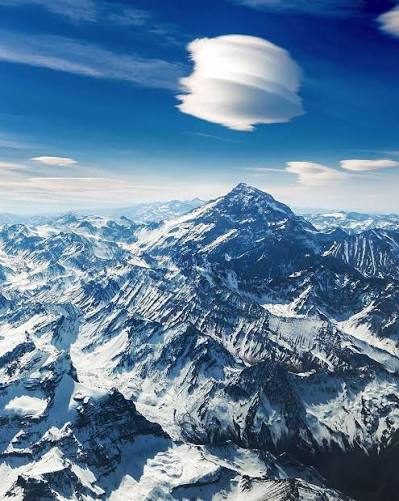
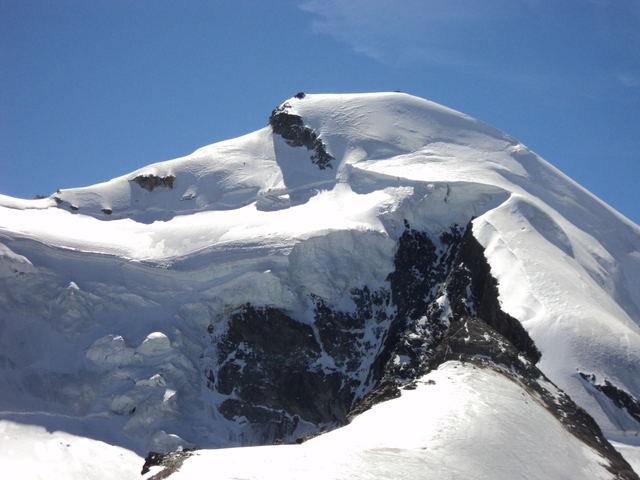
Gran Paradiso
Graian Alps, Aosta Valley, Italy
Oxygen Analysis — Oximeter
Oxygen comparison
Required Preparation
At 4061 m, with 60% oxygen available, perceived effort increases compared to sea level.
How to prepare
- Occasional training: specific preparation and progressive acclimatization are required before the summit.
- Regular training: plan acclimatization stops and monitor oxygen saturation.
- Endurance training: respect physiological adaptation times even if fitness level is high.
- Consider a sports medical assessment before the ascent.
Route and Trail
Peak Guide
The only four-thousander entirely within Italian borders. The gateway to extreme altitude, the summit that every year baptizes thousands of aspiring alpinists with their first touch at 4061 meters. The normal route from Rifugio Vittorio Emanuele II is an ascent that demands respect for the glacier, a nose for crevasses, and the nerve to overcome the final passage onto the summit Madonna.
Quick Facts
| Detail | Value |
|---|---|
| Altitude | 4061 m a.s.l. |
| Mountain group | Graian Alps, Gran Paradiso Massif |
| Difficulty | F+ (Easy+) — grade II rock passage at the exit |
| Total elevation gain | ~1326 m (from Rifugio Vittorio Emanuele II, 2735 m) |
| Total distance | 18.0 km round-trip (from Pont Valsavarenche) |
| Route development | 19.5 km (actual trail distance) |
| Ascent time | 4–5 hours from Rifugio Vittorio Emanuele II |
| Recommended season | June – September |
| Starting point | Pont Valsavarenche (1960 m) |
| Base hut | Rifugio Vittorio Emanuele II (2735 m) — mandatory overnight stop |
Oxygenation and Acclimatization
At 4061 meters Gran Paradiso casually vaults the critical four-thousand-meter threshold: barometric pressure returns a mere 60% of the oxygen breathable at sea level. This value is enough to trigger the classic symptoms of Acute Mountain Sickness in unacclimatized individuals — pounding headache, nausea, breathlessness disproportionate to the effort. Typical summit SpO₂ for an acclimatized person hovers between 80 and 85%, a figure that explains perfectly why every single step on the final stretch costs an eternity.
The first line of defense is sleeping at Rifugio Vittorio Emanuele II (2735 m): that single night at nearly three thousand meters grants your body the minimum time to initiate its compensatory ventilatory response. During the nocturnal ascent on the glacier, impose a strict and mercilessly slow rhythm: inhale through your nose in four counts, exhale through your mouth in six. On the steepest sections, adopt pressure breathing — blow forcefully against nearly closed lips to maintain alveolar pressure. If a headache becomes hammering, if confusion appears or a dry, persistent cough sets in, do not negotiate with your ego: descend immediately.
Note: This advice is informational and does not replace medical consultation. Consult a physician specializing in high-altitude medicine before undertaking demanding ascents.
The Ascent (Normal Route from Vittorio Emanuele)
Day 1: The approach to Rifugio Vittorio Emanuele II From Pont Valsavarenche (1960 m) a well-trodden path through larches and scree climbs the valley in roughly two hours to Rifugio Vittorio Emanuele II, perched on a moraine terrace at 2735 meters. In the evening the panorama of Gran Paradiso is a postcard that takes your breath away: the icy pyramid devours the last sunlight. Here you prepare your pack, adjust your crampons, and attempt a nervous sleep before the three a.m. alarm.
Day 2: Into the glacial darkness toward 4000 You depart in the heart of the night, headlamps carving corridors of light into the moraine. In roughly an hour you reach the tongue of the Gran Paradiso Glacier, where the rope team tightens and crampons scratch the ice on the steady ascent. The glacier is less crevassed compared to the giants of Monte Rosa, but the danger remains real: late-summer snow bridges are thin as glass and must be probed with the ice axe before each step.
At approximately 3800 meters the Schiena d'Asino (Donkey's Back) emerges — a broad, recognizable glacial hump where breathing genuinely starts to shorten. Beyond this point the slope steepens toward the final rocks. You tackle the terminal crevasse — a gap that can be challenging depending on seasonal conditions — and then a brief but exposed grade II rock passage leading to the famous summit Madonna. The final meter is airy and demands steady hands: you touch the statue of the Virgin with breath in debt and adrenaline at peak. Beneath your feet, the Aosta Valley unfolds in a 360-degree panorama sweeping from Mont Blanc to the Matterhorn, from Monte Rosa to Monviso.
The descent follows the same route. Maximum caution is needed on the afternoon glacier: softened snow amplifies crevasse risk.
Physical Preparation
Gran Paradiso is graded F+ precisely because the normal route never presents extreme technical difficulties, apart from the brief final grade II passage. However, underestimating it is the most frequently paid mistake: the enemy is the altitude, not the rock. You need legs tested on elevation gains of at least 1200 meters and an aerobic base that allows you to sustain 4-5 hours of marching in hypoxia without collapsing.
| Starting level | Preparation time | Key Phases |
|---|---|---|
| Expert Hiker | 2–4 months | Progressive outings above 3000m. At least one overnight in a high-altitude hut. Familiarization with crampons and ice axe. |
| Average Alpinist | 3–6 weeks | Rope team drills on glacier. One or two outings at preparatory altitudes (3500m+). |
Those who have never exceeded 3000 meters should build gradual acclimatization in the weeks before: a night at Rifugio Gnifetti or Mantova are investments that pay dividends on Gran Paradiso.
Equipment
Gran Paradiso is a real glacier climb. No trailside improvisation allowed.
Essential:
- Sharp 12-point crampons on rigid high-mountain boots
- Classic ice axe
- Harness with daisy chain, glacier rope (minimum 30m), and crevasse rescue kit
- Certified alpine helmet
Recommended:
- Category 4 sunglasses (glacier glare is blinding)
- SPF 50+ sunscreen and protective lip balm
- Double-layered gloves and a waterproof windproof shell
- Thermos with a hot drink and energy bars within easy reach
- Pocket pulse oximeter to monitor your SpO₂ during the ascent
Brief Historical Notes
Conquered on September 4, 1860 by the British climbers John Jermyn Cowell and William Dundas with Chamonix guides Michel Payot and Jean-Baptiste Tairraz. The ascent inaugurated the golden age of alpinism in the Graian Alps and consecrated the massif as a chosen ground for altitude adventure. In 1922 Gran Paradiso became the heart of Italy's first National Park, established to protect the Alpine ibex from extinction. Today that park is a sanctuary of biodiversity, and the summit remains the most beloved and frequented four-thousander in Italy: the trial by fire for anyone dreaming of Mont Blanc.
Sources and References
The information on this page has been verified from the following sources
Related peaks
Discover other peaks in the same area