Lyskamm West
Pennine Alps, Monte Rosa Massif, Italy/Switzerland
Oxygen Analysis — Oximeter
Oxygenation along the route
Oxygen comparison
Required Preparation
At 4527 m, with 58% oxygen available, perceived effort increases compared to sea level.
How to prepare
- Occasional training: specific preparation and progressive acclimatization are required before the summit.
- Regular training: plan acclimatization stops and monitor oxygen saturation.
- Endurance training: respect physiological adaptation times even if fitness level is high.
- Consider a sports medical assessment before the ascent.
Route and Trail
Peak Guide
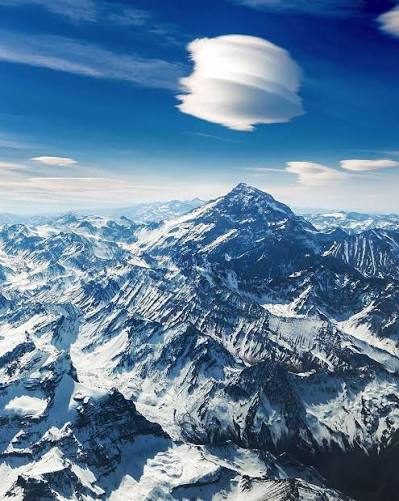
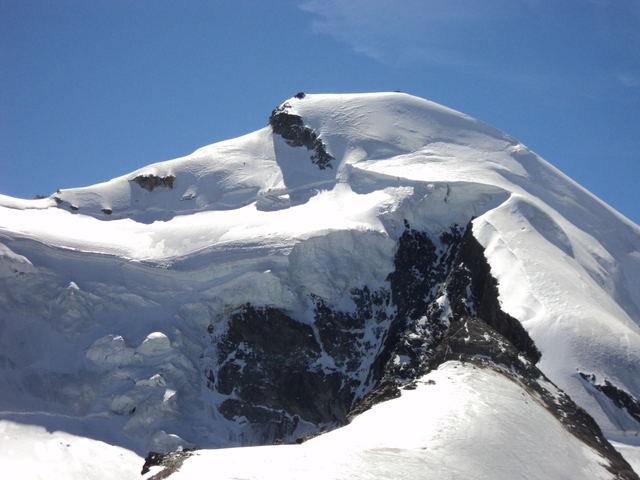
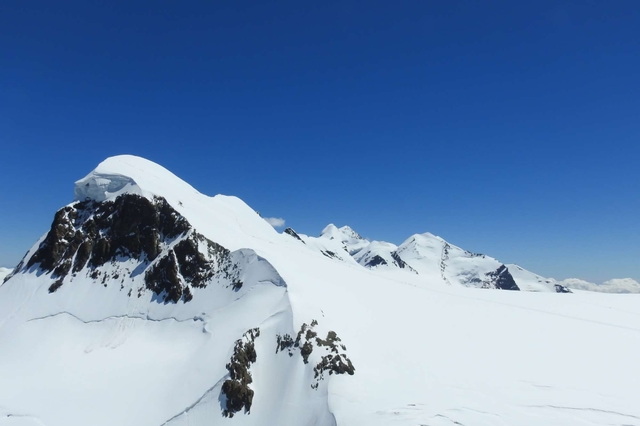
The Lyskamm carries a nickname that leaves nothing to the imagination: Menschenfresser — "man-eater" in German. The ridge connecting the western summit (4527m) to the eastern summit (4481m) is one of the most exposed glacial arêtes in the Alps — heavily corniced, wind-battered, with little room for error or retreat. At 4527 metres the air holds just 58% of the oxygen available at sea level. On this ridge, hypoxia blends with continuous technical demands in a way few other 4000m peaks can match.
Quick Facts
| Data | Value |
|---|---|
| Altitude | 4527 m a.s.l. |
| Location | Pennine Alps, Monte Rosa Massif, Italy/Switzerland border |
| Difficulty | D (Difficult) — corniced ridge, crevassed glacier |
| Available oxygen | 58% compared to sea level |
| Elevation gain | ~1315 m from Passo dei Salati (3212m) |
| Total distance | 16.0 km return |
| Route development | 18.0 km |
| Ascent time | 6–8 hours from Passo dei Salati (overnight at Rifugio Quintino Sella) |
| Best season | July – August |
| Starting point | Passo dei Salati (3212 m) — cable car from Gressoney-La-Trinité |
Route
Overview
The standard Italian-side approach begins at Gressoney-La-Trinité, ascends by cable car to Passo dei Salati (3212m), and continues to Rifugio Quintino Sella al Felik (3585m) for an overnight stay. Summit day crosses the Felik Glacier, climbs to Colle del Felik (4062m), and then tackles the Lyskamm summit ridge. The ridge demands sustained roped movement on exposed terrain with variable cornice conditions.
Key Points
Approach: Gressoney-La-Trinité → Passo dei Salati (3212m) From Gressoney-La-Trinité (1640m) the cable car reaches Passo dei Salati (3212m) — the gateway to the Felik Glacier. Check seasonal timetables before departure.
Rifugio Quintino Sella al Felik (3585m — 2.0 km from Passo dei Salati) The CAI-managed hut is reached in about 1–1.5 hours from the cable car station across the gentle Felik Glacier plateau. It serves as the classic base for Lyskamm, Castore, and surrounding peaks. Advance booking is essential in high season.
Colle del Felik (4062m — 5.5 km from Passo dei Salati) The Felik Glacier is ascended progressively to the pass, crossing crevassed zones that vary each season. The gradient steepens in the final section. From the col the full Lyskamm ridge comes into view.
Summit ridge start (4350m — 7.0 km from Passo dei Salati) From the col a traverse leads to the base of the ridge. This section is often icy in the early morning hours; steepness exceeds 40°.
Lyskamm West (4527m — 8.0 km from Passo dei Salati) The final ridge is the crux of the climb. Cornices on the Swiss side can be enormous: stay on the Italian side of the crest at all times. In optimal conditions the ridge is manageable; after fresh snow or with unstable forecasts, avalanche and cornice risk becomes prohibitive.
Known Variants
- Swiss approach (Monte Rosa Hütte SAC): approach from the Zermatt side, traversing the glacier to the east side of the Lyskamm before reaching the summit ridge.
- Lyskamm traverse (West → East): the classic full traverse continuing to Lyskamm East (4481m) and descending toward the Colle del Lys or Monte Rosa plateau. Requires strong conditions and experience.
Practical Notes
- Waymarking: absent on the glacier — detailed map (1:25,000) or GPS track essential
- Huts: Rifugio Quintino Sella al Felik (3585m) — advance booking mandatory in peak season
- Water: no reliable source above the hut — carry at least 1.5L per person from the Sella
- Weather window: the Lyskamm is notorious for rapid, violent weather changes. Do not attempt with unstable forecasts
⚠️ Warning: The Lyskamm is one of the Alps' most hazardous ridges. Cornices can collapse without warning. Check current conditions with the local CAI section, the hut warden, or the ARPA Valle d'Aosta forecast before any attempt. Never attempt the ridge with recent fresh snow or strong high-altitude winds.
Oxygenation and Breathing
At 4527m the partial pressure of oxygen is 58% of sea level. The Lyskamm offers no comfortable resting place: the exposed ridge demands continuous movement, meaning the body is under sustained effort in significant hypoxic conditions. Unlike peaks with broad summit plateaus where you can stop and recover, pausing on the Lyskamm ridge means wind exposure and increased risk. Breathing management is not a background concern here — it is foreground.
What to Expect by Altitude Zone
- 3212–3585m (Passo dei Salati → Rifugio Sella): light effort on the glacier plateau. First exposure to the environment.
- 3585–4062m (Rifugio Sella → Colle del Felik): increasing fatigue as gradient grows. Some may notice effort-related headache.
- 4062–4527m (Colle del Felik → Summit): full high-altitude zone. Pace must remain slow and steady; wind exposure on the ridge compounds the difficulty of breath regulation. Frequent short breaks rather than long stops.
Typical SpO₂ at Summit
A healthy, acclimatized person typically records an SpO₂ between 73% and 77% at the summit. Values below 70% with neurological symptoms (confusion, loss of balance) demand immediate descent — on the Lyskamm ridge, with particular urgency.
Breathing Tips
- Fixed pace: do not let ridge adrenaline push the pace beyond your aerobic threshold. Slow and steady is safer than surges and stops.
- Diaphragmatic breathing: breathe deeply through the nose, exhale slowly through the mouth — even on exposed sections.
- Pressure breathing on steep pitches: exhale forcefully against pursed lips to increase alveolar pressure on the steepest terrain.
- Protect your airway: cold wind on the ridge can trigger bronchoconstriction — use a balaclava or buff across the mouth in strong gusts.
AMS Warning Signs
⚠️ Consider descending if the following appear:
- Headache not improving with hydration
- Nausea or vomiting
- Disorientation or loss of coordination (possible HAPE/HACE)
- Breathing difficulty at rest or persistent dry cough
The advice above is informational and does not replace medical advice. For ascents above 4000m, consult a physician specializing in altitude medicine.
Preparation
Physical Preparation
The Lyskamm is a mountain for alpinists with proven glacier and exposed ridge experience. Requirements include roped movement on mixed terrain (ice and rock), ridge navigation in a corded team, and the endurance to sustain 8+ hours at altitude under continuous technical demand.
Recommended preparatory ascents:
- Gran Paradiso (4061m): essential glacier-route 4000m for building the base
- Breithorn West (4164m): a straightforward high-altitude reference point in the same massif
- Castore (4228m): a neighboring summit with a similar but shorter and less exposed final ridge — widely recommended as the most direct preparation for the Lyskamm
Acclimatization
Minimum recommended plan:
- Day 1: arrive at Gressoney-La-Trinité, cable car to Passo dei Salati, hike to Rifugio Quintino Sella (3585m)
- Day 2: acclimatization outing on the glacier up to 3800–4000m, return to hut for the night
- Day 3: summit attempt — departure 3:00–4:00 AM
Essential Equipment
- 12-point crampons on rigid high-altitude boots
- Technical ice axe
- Harness with tether and glacier rope (minimum 40m for exposed ridges)
- Climbing helmet
- Ice screws (2–3 per person) and locking carabiners
Recommended Equipment
- Ski goggles for wind protection on the ridge
- Category 4 sunglasses
- Sunscreen SPF 50+
- Pocket pulse oximeter
- Emergency bivy
- Double-layer gloves and balaclava
FAQ
How much oxygen is there at the summit of Lyskamm West?
At 4527m the available oxygen is 58% of sea level. Atmospheric pressure drops to approximately 575 hPa compared to 1013 hPa at sea level. The body compensates with elevated breathing and heart rate — which is why acclimatization and a slow, controlled pace on the ridge are essential.
Why is the Lyskamm called the "Menschenfresser"?
The nickname "man-eater" comes from the combination of factors that make this ridge particularly dangerous: massive, unstable cornices on the Swiss side, rapid and violent weather changes, constant wind exposure, and almost no possibility of quick retreat in an emergency. A long history of alpine accidents has cemented the name.
Is altitude sickness a risk on Lyskamm West?
Yes, AMS risk is high. The Lyskamm exceeds 4500m and requires at least one overnight at altitude before the summit attempt. The sustained physical effort on the exposed ridge further amplifies the effects of hypoxia compared to a more gradual climb.
Is a mountain guide required for the Lyskamm?
Strongly recommended. The Lyskamm combines glacier travel, exposed ridge movement, and cornice hazard in a way that demands both technical skill and sound mountain judgment. For anyone without specific experience on exposed Alpine ridges, a UIAGM-certified guide is the safest option.
Sources and References
- CAS / SAC — Lyskamm normal route — technical data and Swiss-side route
- Camptocamp — Lyskamm West (route 55844) — route description and conditions
- Peakbagger — Lyskamm West — GPS coordinates
- ICAO Standard Atmosphere (Doc 7488/3) — atmospheric pressure and oxygen calculation formula
- Wilderness Medical Society — AMS/HACE/HAPE guidelines
- UIAA Mountain Medicine — altitude medicine protocols
Sources and References
The information on this page has been verified from the following sources
Related peaks
Discover other peaks in the same area