Piz Bernina
Bernina Alps, Grisons (CH) / Lombardy (IT)
Oxygen Analysis — Oximeter
Oxygenation along the route
Oxygen comparison
Required Preparation
At 4049 m, with 63% oxygen available, perceived effort increases compared to sea level.
How to prepare
- Occasional training: specific preparation and progressive acclimatization are required before the summit.
- Regular training: plan acclimatization stops and monitor oxygen saturation.
- Endurance training: respect physiological adaptation times even if fitness level is high.
- Consider a sports medical assessment before the ascent.
Route and Trail
Peak Guide
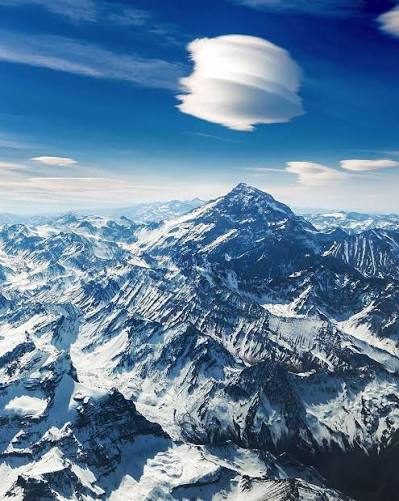
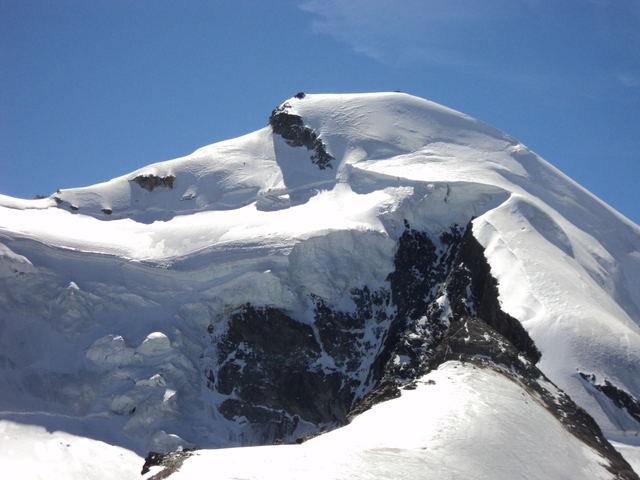
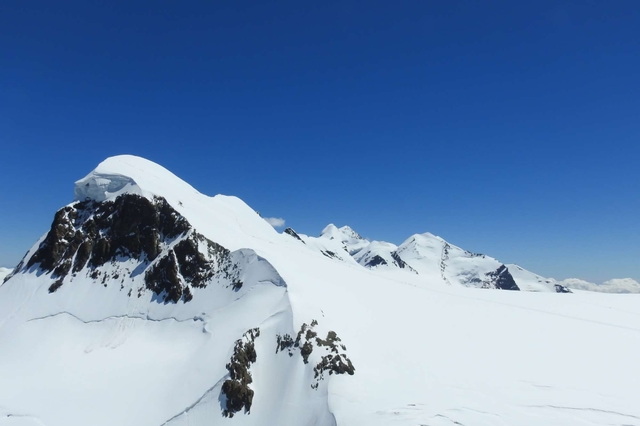
Piz Bernina touches 4049 meters and carries with it a record that no other mountain east of the Rhone can boast: it is the roof of the Eastern Alps, the highest point of the entire Alpine range in its stretch from Switzerland to Austria. The first ascent took place on September 13, 1850, at the hands of topographer Johann Wilhelm Coaz with brothers Jon and Lorenz Ragut Tscharner as guides-twelve hours of ascent from the valley floor, a number that tells better than any adjective the challenge this mountain imposes. At the summit, the air holds 63% of the oxygen of sea level, the same percentage as other peaks of the same altitude, but Piz Bernina is not to be reached without established mountaineering skills: crevassed glacier, mixed ridge up to UIAA III, and at least one night at Rifugio Marco and Rosa (3610m) before the final attack.
Datasheet.
| Data | Value |
|---|---|
| Altitude | 4049 m a.s.l. |
| Location | Bernina Alps, Grisons (CH) / Lombardy (IT) |
| Difficulty | PD+ (Slightly Difficult+) - crevassed glacier, mixed ridge to UIAA III |
| Oxygen available | 63% above sea level |
| Height difference | ~1071 m from Berghaus Diavolezza (2978m) |
| Total distance | 15.0 km A/R |
| Route development | 17.0 km |
| Total time | 2 days - mandatory overnight stay at Rifugio Marco and Rosa (3610m) |
| Recommended period | July - August |
| Starting point | Berghaus Diavolezza (2978m) - cable car from Pontresina |
Route
Summary.
The normal route to the Spallagrat is divided into two separate days. On the first day you cross the Vadret Pers in the direction of Rifugio Marco and Rosa (3610m), the highest refuge in Lombardy and the only base for the ascent. On the second day you climb Spallagrat-the East Ridge-with sections on snow, mixed rock to UIAA III and fixed ropes, reaching first La Spalla (4020m) and then the summit. The classic alternative is Biancograt (difficulty AD), the North ridge from Chamanna da Tschierva: the most aesthetic and famous route in the Eastern Alps, but reserved for climbers with advanced skills.
Key points.
Berghaus Diavolezza (2978m - 0 km) The cable car from Pontresina takes you to the Berghaus Diavolezza in about 15 minutes. This hut, open year-round, is the gateway to the Vadret Pers. An evening stop here is recommended for those arriving during the day and wanting to leave early the next morning for Marco and Rosa.
Vadret Pers traverse and approach to the Marco and Rosa Refuge (~3300m - 2.5 km) From the Berghaus descend onto the glacier and cross the Vadret Pers in a southwesterly direction. The glacier is heavily crevassed and the trail changes every season: roped progression is mandatory. This section requires concrete glacial traverse experience and orientation on open terrain without signposts. The duration of the traverse is 3-4 hours.
Mark and Rose Refuge (3610m - 5.0 km) The refuge is the obligatory bivouac point for the normal route and the highest refuge in Lombardy. Operated from July to September, it accommodates up to 60-80 climbers per night: reservations are essential in high season. The night at 3610m is the key acclimatization step. From here you get your first close-up view of the Spallagrat and the summit.
The Shoulder (4020m - 6.5 km) From the Marco and Rosa Hut you climb mixed snow, then tackle the Spallagrat with rock passages up to UIAA II-III, assisted by fixed ropes whose presence varies season by season. The Spalla is the shoulder at 4020m exactly on the Italian-Swiss border-the point where you leave the Italian side and enter the summit range. The change of perspective is immediate: to the north the entire Biancograt ridge opens up with Piz Bianco (3995m).
Piz Bernina (4049m - 7.5 km). From the Spalla to the summit is 29m of elevation gain on a sharp, highly exposed ridge - the most aerial and psychologically demanding section of the entire route. The summit is a narrow plateau that marks exactly the Swiss-Italian border. The panorama is among the most expansive in all the Alps: to the north the Piz Bianco and the entire Biancograt, to the east the Silvretta Alps and the distant profile of the Ortles, to the west the Monte Rosa chain and, on clear days, Mont Blanc.
Known variants.
- Biancograt (AD): North ridge from Chamanna da Tschierva (2584m, Roseg Valley). Requires ice technique up to 45°, UIAA III-IV rock steps, prolonged exposure. This is one of the most beautiful ridges in the Alps, but not suitable as a first 4000m.
- Piz Bianco-Piz Bernina traverse: possible combination downhill via Biancograt after ascent to Spallagrat, only for very experienced roped parties.
- Italian approach via Campo Moro: alternative to Diavolezza, starting from Italian valley floor (1905m) via Rifugio Marinelli Bombardieri (2813m) and Rifugio Marco e Rosa. Longer but more gradual.
Practical notes.
- Signage: absent on glaciers - updated GPS track and IFMGA mountain guide strongly recommended
- Fixed ropes: present on Spallagrat in some places but situation varies each season - do not rely on them
- Reservation: Marco and Rosa Refuge - mandatory; contact: +39 0342 515370
- Mountain guide: strongly recommended for those without established experience on crevassed and mixed glacier
⚠️ Note: Vadret Pers and Vadret Morteratsch are rapidly receding glaciers. Conditions, snow bridges and crevasses vary significantly each season. Always check updated conditions with the Marco and Rosa Hut or a local mountain guide before any attempt.
Oxygenation and Breathing
At 4049m the partial pressure of oxygen is 63% above sea level. On Piz Bernina, hypoxia does not act alone: it overlaps with the technical demands of the route. The mixed rock passages on the Spallagrat require concentration, coordination and quick decision-making-all faculties that hypoxia compresses. The final ridge to the summit, exposed on both sides, is where mental clarity matters as much as technique.
What to expect by elevation zone.
- 2978-3610m (Diavolezza → Marco and Rosa): challenging glacial traverse. The body adapts gradually during the approach day. Overnight at 3610m is an essential acclimatization that reduces AMS risk the next day.
- 3610-4020m (Marco and Rosa → La Spalla): increasing fatigue on mixed terrain. Technical passages require extra concentration because brain processing speed slows with hypoxia. Pace should be deliberately slowed.
- 4020-4049m (The Shoulder → Summit): the final 29m on exposed ridge is short but high psychological and physical intensity. Combination of exposure, technique and hypoxia at their peak.
Typical saturation (SpO₂).
At the summit, a healthy, acclimatized person typically registers 78-84% of SpO₂. Values below 72% accompanied by symptoms require immediate descent, without waiting for hypothetical improvement.
Tips for breath management.
- Night helpful to Marco and Rosa: arrive at the hut well in advance, eat well and hydrate before sleeping. A night at 3610m prepares the body for the altitude of the summit.
- Slow pace on technical terrain: the temptation to speed up at rock passages is dangerous-a slow, calculated pace on mixed is safer and less costly aerobically.
- Pause at the Shoulder: 10 minute halt before the final ridge. Stabilize breathing, check gear, assess conditions.
- Night hydration at 3610m: at this altitude dehydration advances in sleep-a water bottle handy in sleeping bag.
Warning Signs (AMS).
⚠️ Consider descending if they appear:
- Headache that does not improve with hydration and rest
- Persistent nausea or vomiting
- Loss of balance or confusion
- Difficulty breathing at rest
The advice above is informational and not a substitute for medical advice. For ascents above 4000m, consult a physician specializing in high-altitude medicine.
Preparation
Physical preparation
Piz Bernina is one of the most technically demanding 4000m climbs in the Alps. It is not suitable for those tackling 4000m for the first time on a glacier. Requires:
- Established experience in roped progression on glacier (crevasses, belaying)
- Ability to move on mixed rock up to UIAA III with rope
- Familiarity with fixed ropes and progressive belaying on ridges
- Excellent aerobic fitness: total elevation gain for the two days exceeds 2000m
Recommended propaedeutic stages:
- Punta Giordani (4046m) or Piramide Vincent (4215m): first 4000m on glacier - minimum base of experience in the Monte Rosa Massif
- Gran Paradiso (4061m): 4000m with long profile on glacier - excellent aerobic preparation
- Ortles (3905m) or Grossglockner (3798m): mixed and ridge - similar terrain to Spallagrat
Acclimatization
Recommended plan (3 days):
- Day 1: Arrival in Pontresina, cable car to Diavolezza (2978m). Overnight at Berghaus Diavolezza or return to Pontresina.
- Day 2: Diavolezza → traverse Vadret Pers → Rifugio Marco and Rosa (3610m). Overnight stay.
- Day 3: Summit attempt - departure 4:00-5:00 am.
Compact plan (2 days):
- Day 1: Pontresina → Diavolezza → Marco and Rosa in the day (morning departure).
- Day 2: Summit and descent.
Essential equipment.
- Crampons 12 points on rigid high mountain boots
- Ice axe
- Harness with lanyard, glacier rope and belay device
- Alpine helmet
- Crevacci kit (lanyards, carabiners, pulley)
Recommended equipment
- Ice screws (2-3 per roped party)
- Category 4 sunglasses
- SPF 50+ sunscreen
- Pocket pulse oximeter
- Waterproof high gaiters
Frequently Asked Questions
How much oxygen is available at the summit of Piz Bernina?
At 4049m the available oxygen is 63% compared to sea level. Atmospheric pressure drops to about 624 hPa. At this altitude hypoxia affects not only physical fatigue but mental processing speed-a critical factor on a technical route like the Spallagrat.
Is Piz Bernina suitable for those who have never done a 4000m climb?
No - it is among the most technically challenging 4000m climbs in the Alps in the standard group. The PD+ difficulty with crevassed glacier and mixed UIAA III ridge requires established mountaineering experience. For a first 4000m on glacier, Punta Giordani (4046m) or Piramide Vincent (4215m) in the Monte Rosa Massif are much better options.
What is the difference between the Spallagrat route and the Biancograt?
The Spallagrat is the normal route (PD+): glacier, mixed ridge to UIAA III, technically challenging but within reach of an experienced mountaineer with a guide. The Biancograt (AD) is the North Ridge-one of the most beautiful in the Alps, with ice up to 45° and rock UIAA IV-reserved for roped parties with advanced mountaineering skills. The difference in commitment is substantial.
Is an overnight stay at the Marco and Rosa Refuge mandatory?
Yes, on almost all routes. The Vadret Pers traverse from Diavolezza takes 3-4 hours, and from Marco e Rosa to the summit is another 2.5-3.5 hours: attempting it in the day from Diavolezza would mean tackling the summit in the afternoon hours, with maximum weather and lightning risk. The refuge should be booked in advance: +39 0342 515370.
Sources and References.
- SAC-CAS - Via normale Piz Bernina Spallagrat - official technical report and grading.
- Camptocamp - Normal route from Rifugio Marco Rosa - updated description and conditions.
- Refuge Marco and Rosa - SAC - refuge info, access and reservations
- ICAO Standard Atmosphere (Doc 7488/3) - formula calculation atmospheric pressure and oxygen at altitude
- Wilderness Medical Society - AMS/HACE/HAPE guidelines.
- UIAA Mountain Medicine - medical protocols at altitude
Sources and References
The information on this page has been verified from the following sources
Related peaks
Discover other peaks in the same area