Punta Dufour
Pennine Alps, Monte Rosa Massif, Italy/Switzerland
Oxygen Analysis — Oximeter
Oxygenation along the route
Oxygen comparison
Required Preparation
At 4634 m, with 57% oxygen available, perceived effort increases compared to sea level.
How to prepare
- Occasional training: specific preparation and progressive acclimatization are required before the summit.
- Regular training: plan acclimatization stops and monitor oxygen saturation.
- Endurance training: respect physiological adaptation times even if fitness level is high.
- Consider a sports medical assessment before the ascent.
Route and Trail
Peak Guide
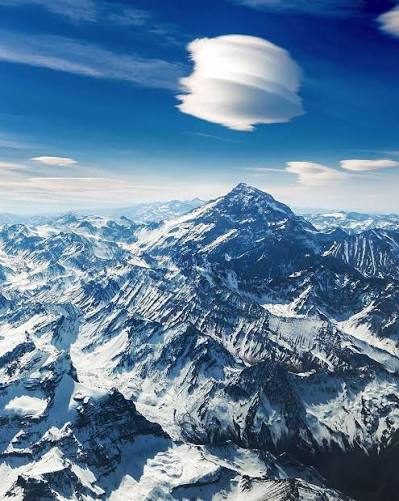
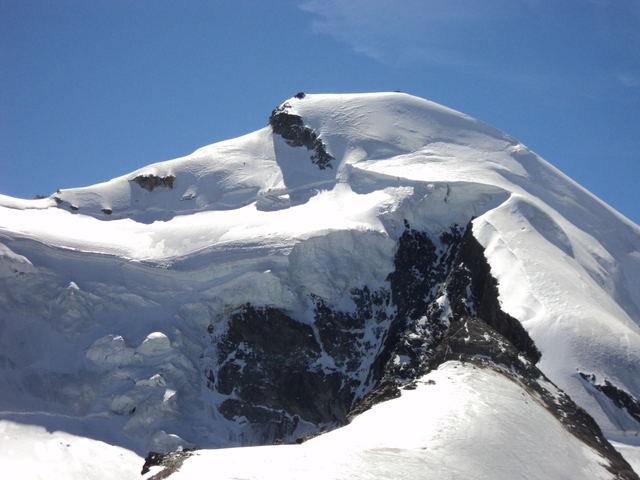
Punta Dufour rises to 4634 metres on the border between Italy and Switzerland — the highest point of the Monte Rosa Massif and the roof of Switzerland, second in the Alps only to Mont Blanc. Viewed from the Italian side, from the valley of Alagna Valsesia or Gressoney, it presents itself as a fortress of ice and rock threaded by glaciers in constant transformation. At that altitude the air contains only 57% of the oxygen available at sea level: a threshold at which the human body actively struggles to compensate for hypoxia, every step demands awareness, and every mistake carries real consequences.
Quick Facts
| Data | Value |
|---|---|
| Altitude | 4634 m a.s.l. |
| Location | Pennine Alps, Monte Rosa Massif, Italy/Switzerland border |
| Difficulty | D (Difficult) — crevassed glacier, mixed terrain sections |
| Available oxygen | 57% compared to sea level |
| Elevation gain | ~1374 m from Punta Indren (3260m) |
| Total distance | 14.0 km return |
| Route development | 15.5 km |
| Ascent time | 6–8 hours from Punta Indren (overnight at Rifugio Mantova) |
| Best season | July – August |
| Starting point | Punta Indren (3260 m) — cable car from Alagna Valsesia |
Route
Overview
The Italian normal route to Punta Dufour is a demanding alpine ascent crossing the Monte Rosa glacier with crevassed sections, reaching the Colle del Lys (4248m), and then tackling the final mixed-terrain ridge to the summit. Moving roped up throughout the glacial section is mandatory. The ascent is typically done over two days with an overnight stay at Rifugio Mantova.
Key Points
Approach: Alagna Valsesia → Punta Indren (3260m) From Alagna Valsesia (1191m) the cable car takes approximately 30 minutes to reach Punta Indren (3260m), the departure point for glacier access. This is the most common approach, eliminating most of the first-day elevation gain and allowing the climb to begin at altitude.
Rifugio Mantova al Colle del Lys (3498m — 2.0 km from Punta Indren) Crossing the Indren Glacier leads to Rifugio Mantova, a CAI mountain hut open in season that serves parties approaching Punta Dufour, the Lyskamm, and Capanna Margherita. This is the mandatory overnight stop for summit attempts the following day. The night at 3498m is itself a critical acclimatization step.
Colle del Lys (4248m — 5.0 km from Punta Indren) From the hut the glacier is ascended progressively toward the pass. The Monte Rosa Plateau opens up — a glacial high plateau swept by constant winds and frequently enveloped in cloud. Navigation on open terrain is challenging; a verified GPS track is recommended for low-visibility conditions.
Punta Dufour (4634m — 7.0 km from Punta Indren) From the plateau the route tackles the final ridge with alternating mixed passages — rock and ice — before reaching the summit cross. Under icy conditions the exposed sections of the summit ridge require additional protection and careful movement.
Known Variants
- Swiss route (Monte Rosa Hütte, 2883m): the classic route from the Zermatt side, documented by the SAC. Elevation gain 1751m, similar technical grade. Preferred by parties approaching from Switzerland.
- Macugnaga approach: longer and more demanding, not recommended as a normal route.
Practical Notes
- Waymarking: absent on the glacier — detailed map (1:25,000) or verified GPS track essential
- Huts: Rifugio Mantova al Colle del Lys (3498m) — advance booking mandatory in peak season
- Water: no reliable source on the route — carry at least 1.5L per person from Mantova onwards
- Cable car Alagna – Punta Indren: check seasonal timetable and operating days before departure
⚠️ Warning: Monte Rosa glacier conditions change significantly every season: crevasses, snow bridges and sérac hazards may alter the route compared to older trip reports. Check current conditions with the CAI Varallo section or the Rifugio Mantova manager before setting out.
Oxygenation and Breathing
At 4634m the partial pressure of oxygen is 57% of sea level. As a concrete reference: every breath at the summit delivers roughly half the oxygen available in the valley. This is not extreme altitude like Everest, but it far exceeds the threshold above which acclimatization becomes a necessary condition — not a comfort.
What to Expect by Altitude Zone
- 3260–3498m (Punta Indren → Rifugio Mantova): moderate effort; some may experience mild headache on the first day. Adequate hydration and a steady pace reduce the risk.
- 3498–4248m (Rifugio Mantova → Colle del Lys): fatigue increases progressively. Breathing rate rises and every short rest should be used for recovery before moving on.
- 4248–4634m (Colle del Lys → Summit): full high-altitude zone. Pace must slow further — no more than 70–80 steps per minute on ascending sections. Deep diaphragmatic breathing becomes the only effective tool against hypoxia.
Typical SpO₂ at Summit
A healthy and acclimatized person typically records an SpO₂ between 72% and 76% at the summit. Values below 70% combined with symptoms (throbbing headache, nausea, disorientation) indicate insufficient acclimatization and demand immediate descent.
Breathing Tips
- Tortoise pace: on slopes steeper than 30°, do not exceed 70 steps per minute. Regular breaks every 10–15 minutes.
- Diaphragmatic breathing: inhale through the nose for 4 seconds, exhale through the mouth for 6. Apply this systematically from Rifugio Mantova upward.
- Pressure breathing on steep sections: exhale forcefully against pursed lips to increase alveolar pressure; effective on the steeper ridge pitches.
AMS Warning Signs
⚠️ Consider descending if the following appear:
- Headache that does not improve with hydration and rest
- Persistent nausea or vomiting
- Loss of coordination or confusion
- Persistent dry cough (possible HAPE)
- Breathing difficulty at rest
The advice above is informational and does not replace medical advice. For ascents above 4000m, consult a physician specializing in altitude medicine.
Preparation
Physical Preparation
Punta Dufour requires solid alpine experience: it is not a climb for those approaching high altitude for the first time. Prerequisites include glacier travel on crevassed terrain, roped team movement, and familiarity with crampons and ice axe on slopes steeper than 40°.
Recommended preparatory ascents (in order of increasing difficulty):
- Gran Paradiso (4061m): first 4000m on a glacier, PD difficulty — ideal for testing gear and physiological response to altitude
- Breithorn (4164m): relatively accessible 4000m in the Monte Rosa area, useful for calibrating altitude expectations
- Capanna Margherita / Punta Gnifetti (4554m): same massif as Punta Dufour, overnight at Europe's highest hut for progressive acclimatization
Acclimatization
Minimum recommended plan (without prior acclimatization):
- Day 1: arrive at Alagna Valsesia, cable car to Punta Indren, hike to Rifugio Mantova (3498m)
- Day 2: acclimatization outing up to 3800–4000m, return to hut for the night
- Day 3: summit attempt — departure 3:00–4:00 AM from the hut
Essential Equipment
- 12-point crampons on rigid high-altitude boots
- Technical ice axe
- Harness with tether and glacier rope (minimum 30m per rope team)
- Climbing helmet
- Ice screws (2–3 per person) and locking carabiners
Recommended Equipment
- Category 4 sunglasses (glacier reflection is intense)
- Sunscreen SPF 50+ (reapply every 2 hours)
- Pocket pulse oximeter to monitor SpO₂ during the ascent
- Waterproof high gaiters
- Emergency bivy
- Insulated thermos with warm drink
FAQ
How much oxygen is available at the summit of Punta Dufour?
At 4634m the available oxygen is 57% of sea level. According to the ICAO Standard Atmosphere formula, atmospheric pressure drops to approximately 566 hPa compared to 1013 hPa at sea level. The body compensates by increasing breathing and heart rate — which is why preventive acclimatization is essential.
Is altitude sickness a real risk on Punta Dufour?
Yes, AMS risk is high. Punta Dufour exceeds 4600m and requires at least one night at altitude before the summit attempt. Climbers ascending directly from low altitude without acclimatization can develop acute mountain sickness as early as Rifugio Mantova (3498m). The three-day plan described under preparation significantly reduces this risk.
What is the difference between Punta Dufour and Monte Rosa?
"Monte Rosa" is the name of the mountain massif that includes numerous peaks. Punta Dufour (Dufourspitze in German) is the highest summit in the massif at 4634m, as well as the highest point in Switzerland and the second-highest peak in the Alps after Mont Blanc. The massif also includes Capanna Margherita on Punta Gnifetti (4554m), the Lyskamm, Castore, and many other summits.
Is an alpine guide required for Punta Dufour?
Given the complexity of crevassed glacier terrain and navigation on open ice, a UIAGM-certified mountain guide — or at minimum an experienced glacier climber in the team — is strongly recommended. Navigating in cloud, managing crevasse hazards, and moving on mixed terrain require skills that come from years of alpine experience.
Sources and References
- Vie Normali — Punta Dufour — Italian-side route description
- SAC — Dufourspitze — Swiss-side normal route, technical data
- Peakbagger — Dufourspitze (ID: 726) — verified GPS coordinates
- ICAO Standard Atmosphere (Doc 7488/3) — atmospheric pressure and oxygen calculation formula
- Wilderness Medical Society — AMS/HACE/HAPE guidelines
- UIAA Mountain Medicine — altitude medicine protocols
Sources and References
The information on this page has been verified from the following sources
Related peaks
Discover other peaks in the same area