Punta Giordani
Pennine Alps, Monte Rosa Massif, Italy
Oxygen Analysis — Oximeter
Oxygenation along the route
Oxygen comparison
Required Preparation
At 4046 m, with 63% oxygen available, perceived effort increases compared to sea level.
How to prepare
- Occasional training: specific preparation and progressive acclimatization are required before the summit.
- Regular training: plan acclimatization stops and monitor oxygen saturation.
- Endurance training: respect physiological adaptation times even if fitness level is high.
- Consider a sports medical assessment before the ascent.
Route and Trail
Peak Guide
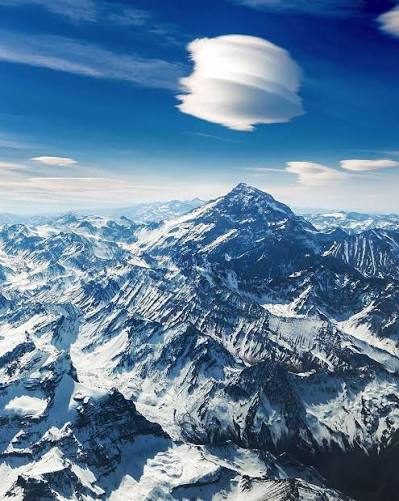
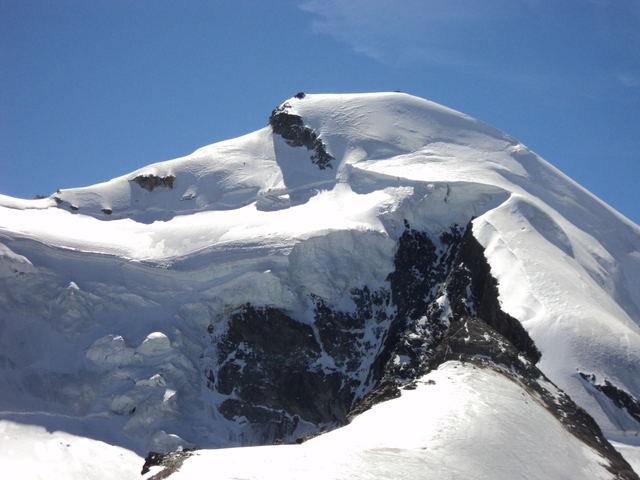
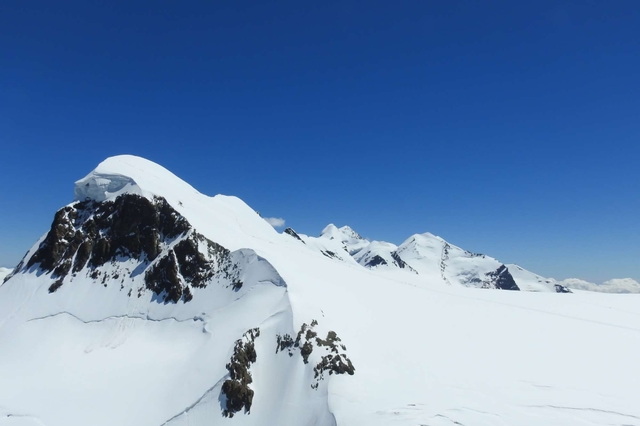
Punta Giordani is named after Pietro Giordani, a doctor from Alagna who climbed it for the first time on July 23, 1801, together with some local companions-one of the first documented ascents in the entire Monte Rosa Massif. At 4046 meters it is the lowest peak in the 4000m Rosasque range from the Italian side, yet for many mountaineers it marks a definite boundary: it is often the first 4000m on glacier, the place where alpine technique first meets real hypoxia. At the summit, a small statue of the Madonna - Our Lady of Jordan - watches over the summit plateau. At that altitude the air holds 63% of the oxygen of sea level: enough to make each step slower than expected, but not enough to turn the climb into a real respiratory battle for those in good physical condition.
Datasheet.
| Data | Value |
|---|---|
| Altitude | 4046 m a.s.l. |
| Location | Pennine Alps, Monte Rosa Massif, Italy |
| Difficulty | F (Easy) - glacier, short final section on rock |
| Oxygen available | 63% above sea level |
| Elevation gain | ~786 m from Punta Indren (3260m) |
| Total distance | 8.0 km A/R |
| Route development | 8.5 km |
| Climbing time | 2.5-3 hours from Punta Indren |
| Recommended period | Late June - September |
| Starting point | Punta Indren (3260 m) - cable car from Alagna Valsesia |
Route
Summary
The normal route to Punta Giordani ascends the Indren Glacier from the cable car terminus at Punta Indren (3260m) to the summit, with a short section on rock (about 5m) in the last climb. The route is entirely on glacier to the base of the summit: no exposed ridges, no technically demanding difficulties. The F rating reflects the glacial environment with crevasses and seracs, the obligatory roped progression and the final passage on rock. It is a direct route, with concentrated elevation gain in the middle section and final ramp.
Key points.
Approach: Alagna Valsesia → Punta Indren (3260m - 0 km) The cable car from Alagna Valsesia (1191m) takes you to Punta Indren (3260m) in about 20 minutes. It is the access point to the Indren Glacier. Access to the glacier is immediately upstream of the station: this is where you put on your crampons and form your rope. The elevation leap between the valley floor and Indren Peak is already 2069m - those arriving from the flat immediately feel it.
Indren Glacier plateau (~3500m - 1.5 km). After an initial moderate ascent, a vast glacial plateau opens up. The terrain allows for easy orientation: on the left is the rocky pillar leading toward the Vincent Pyramid, on the right is the line of ascent toward Punta Giordani. This is the section where the first adaptation to high altitude takes place - the rhythm must be found here, before the slopes increase.
Glacial ramparts and seracs (~3750-3900m) The glacier becomes progressively steeper. You ascend the snowy ramps bypassing the seracs on the right. Conditions vary significantly with season and year: in late summer the seracs can expose areas of live ice. This is the most strenuous section of the entire route, the one where oxygen depletion makes itself felt concretely on breath and pitch.
Punta Giordani (4046m - 4.0 km) The last few meters require a short rock passage of about 5 meters-the most technically challenging section of the entire route, but within the reach of anyone with basic mountain experience. The summit is a narrow summit plateau with a statue of Our Lady of Jordan. The view encompasses the entire Monte Rosa Massif: to the east the Vincent Pyramid and the Castor, to the north the Capanna Margherita on the Punta Gnifetti (4554m), and to the west the Colle di Bettaforca.
Known variants.
Punta Giordani is naturally combined with Pyramid Vincent (4215m) on the same day by traversing the Soldier's Ridge to the east. This is a classic double route from the Valsesian side: Punta Giordani outward, Piramide Vincent downward via Colle Vincent and Rifugio Gnifetti.
Practical notes.
- Signage: absent on the glacier - updated GPS track and knowledge of the terrain are essential
- Refuges: no refuges directly on the route; Rifugio Gnifetti (3611m, 2km east from Punta Indren) is the closest high-altitude base for an overnight acclimatization stay
- Cable: Alagna Valsesia - Punta Indren; check seasonal schedules and operation before departure
- Water points: none beyond Punta Indren - bring at least 1.5L per person
⚠️ Note: Indren Glacier conditions change each season. Seracs and crevasses vary from year to year. Check with Monterosa Guides or CAI Varallo for updated conditions before any attempt.
Oxygenation and Breathing.
At 4046m the partial pressure of oxygen is 63% above sea level. For those facing this altitude for the first time, the change is real but gradual: the air seems almost normal, yet the muscles respond less readily, the pace must be slowed, and breathing becomes a conscious rather than an automatic act. This is not acute hypoxia, but the first direct encounter with what high altitude does to the body.
What to expect by elevation zone.
- 3260-3500m (Indren Peak → Glacial plateau): light exertion. Body still has ample aerobic reserve. First contact with glacier and altitude.
- 3500-3900m (Plateau → Ramps): progressive effort. Steeper slopes reveal the reduction in available oxygen. Pace needs to be shortened, pace slowed.
- 3900-4046m (Ramps → Summit): the last 146m seem disproportionate to the absolute altitude. This is the stretch where hypoxia manifests itself most clearly - deeper breath, more frequent pause.
Typical saturation (SpO₂).
At the summit, a healthy, acclimatized person typically measures 78-84% of SpO₂. Values below 72% with associated symptoms require immediate attention and descent.
Tips for breath management.
- Constant pace from the start: do not start fast from the plateau-the glacier at 3260m is already significant altitude.
- Diaphragmatic breathing: deep nasal inhalation 4 seconds, mouth exhalation 6. Essential technique above 3800m.
- Stop at ramps: before attacking the steepest section, take 5 minutes to stabilize breathing and assess conditions.
- Pre-emptive hydration: at these altitudes dehydration develops silently - drink before you feel thirsty.
Alarm Signals (AMS).
⚠️ Consider coming down if they appear:
- Headache that does not improve with hydration and rest
- Persistent nausea or vomiting
- Loss of balance or confusion
- Difficulty breathing at rest
The advice above is informational and not a substitute for medical advice. For ascents above 4000m, consult a physician specializing in high-altitude medicine.
Preparation
Physical preparation
Punta Giordani is the 4000m of Monte Rosa with the most direct profile from the Valsesian side. It is often described as "the first glacial 4000m" and is the natural gateway to high altitude for those approaching from Alagna. No experience on exposed ridges or technique on advanced rock is required, but experience is essential:
- Know how to progress roped up on snow and ice with crampons and ice axe
- Experience in glacial environment (crevasses, slope changes)
- Knowledge of basic self-safety and rope rescue maneuvers
Recommended propaedeutic stages:
- Western Breithorn (4164m): access via cable car at 3820m, the 4000m with the least remaining elevation gain - excellent first approach
- Gran Paradiso (4061m): long and gradual profile, excellent aerobic preparation on glacier
Acclimatization
Recommended plan (2 days):
- Day 1: Punta Indren via cable car, approach to glacial plateau (~3500m), return to Punta Indren or overnight at Rifugio Gnifetti (3611m)
- Day 2: summit attempt - departure 5:00-6:00 a.m.
Alternative plan (single day):
- For climbers already acclimatized from a previous night at altitude (≥3000m)
- Depart with first cable car ride; check seasonal schedule
Essential equipment.
- 12-point crampons on rigid high-mountain boots
- Ice axe
- Harness with lanyard and glacier rope
- Alpine helmet
Recommended equipment
- Category 4 sunglasses
- SPF 50+ sunscreen
- Pocket pulse oximeter
- Waterproof high gaiters
Frequently Asked Questions
How much oxygen is available to breathe on Punta Giordani?
At 4046m, available oxygen is 63% above sea level. Atmospheric pressure drops to about 623 hPa. Fatigue in the middle and final part of the climb is perceptibly higher than what is experienced on the plains, but the direct profile from Indren Glacier does not include sudden stretches of exertion.
Is Giordani Peak suitable as the first 4000m glacier?
Yes - it is considered one of the most natural gateways to the 4000m Monte Rosa group from the Italian side. The F difficulty, short development and direct access via cable car from Alagna Valsesia make it ideal for climbers with basic glacier experience. The final section on rock (5m) is elementary but requires attention.
Can Punta Giordani be climbed without an overnight stay at altitude?
Yes, for climbers already acclimatized. Access via cable car at 3260m greatly reduces the time compared to an approach on foot. For those arriving from the valley floor the same day, an overnight stay at Rifugio Gnifetti (3611m) significantly improves the odds of success and reduces the risk of AMS.
What is the difference between Punta Giordani and Piramide Vincent?
The two peaks are adjacent and often climbed together on the same day. Punta Giordani (4046m) is lower and has a more direct route from Indren Glacier, with a short final section on rock. Piramide Vincent (4215m) requires an overnight stay at Rifugio Gnifetti and an ascent to Colle Vincent (4082m), with a longer, more gradual profile. A classic combination is to climb Punta Giordani first, then continue to Piramide Vincent via Cresta del Soldato.
Sources and References.
- Vie Normali - Punta Giordani - Italian side route report.
- Camptocamp - Via Normale da Indren - updated description and conditions.
- Guide Monterosa - The First 4000 - certified UIAGM guidebook, technical data
- ICAO Standard Atmosphere (Doc 7488/3) - formula calculation atmospheric pressure and oxygen at altitude
- Wilderness Medical Society - AMS/HACE/HAPE guidelines.
- UIAA Mountain Medicine - medical protocols at altitude
Sources and References
The information on this page has been verified from the following sources
Related peaks
Discover other peaks in the same area