Tofana di Mezzo
Dolomites, Veneto, Italy
Oxygen Analysis — Oximeter
Oxygenation along the route
Oxygen comparison
Required Preparation
At 3244 m, with 67% oxygen available, perceived effort increases compared to sea level.
How to prepare
- Occasional training: plan gradual acclimatization — resting heart rate will rise at this altitude.
- Regular training: keep a steady pace and watch for mild hypoxia symptoms.
- Endurance training: altitude is manageable with planning — avoid forcing the pace in the first hours.
Route and Trail
Peak Guide
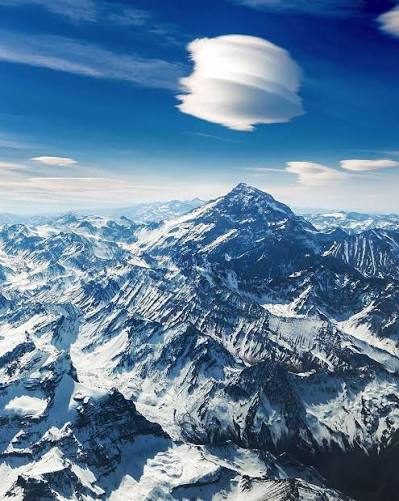
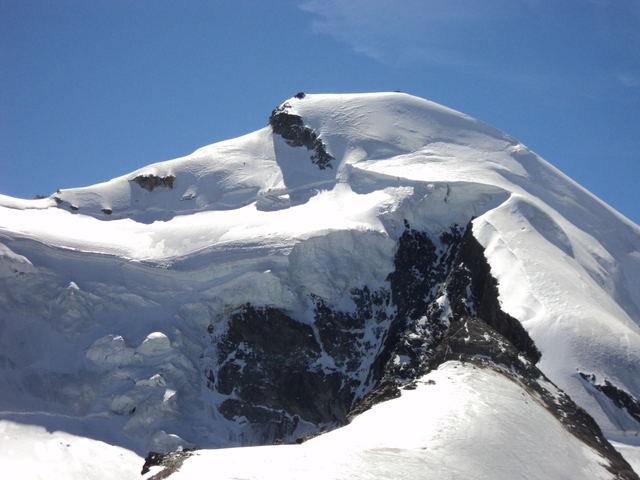
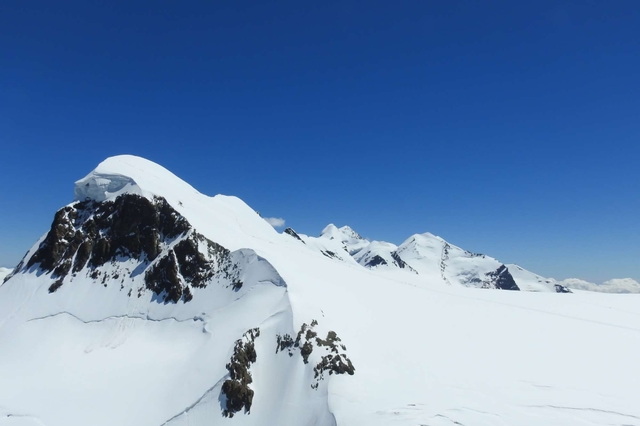
Tofana di Mezzo reaches 3244 metres and towers over Cortina d'Ampezzo as the highest of the three Tofane peaks and one of the most recognizable summits in the Eastern Dolomites. What sets it apart from virtually every other peak at this altitude is the Freccia nel Cielo (Arrow in the Sky) cable car, which carries visitors from Cortina to within steps of the summit — making 3244m accessible even without mountaineering experience. At that altitude, the air holds 67% of the oxygen found at sea level: a difference that is physically felt, especially by those who ascend in minutes by cable car with no time to acclimatize. For those who choose to walk from Ra Valles, it is a well-marked trail with 775 metres of elevation gain, spectacular panoramas, and terrain that challenges the legs without requiring specialist alpine gear.
Quick Facts
| Data | Value |
|---|---|
| Altitude | 3244 m a.s.l. |
| Location | Dolomites, Veneto, Italy (Cortina d'Ampezzo) |
| Difficulty | F (Easy) — trail on scree and rocky ground |
| Available oxygen | 67% of sea level |
| Elevation gain | ~775 m (from Ra Valles) |
| Total distance | 9.0 km round trip |
| Route development | 9.5 km |
| Ascent time | 2.5–4 hours from Ra Valles |
| Best season | July – September |
| Starting point | Ra Valles (2469 m) |
Route
Overview
The normal route starts from the Ra Valles plateau (2469m), reachable via the Freccia nel Cielo cable car from Cortina d'Ampezzo. From there, a well-marked trail climbs through the Vallon di Tofana on mixed terrain — scree fields, ledges, and rocky sections — to the summit. The route has no technical alpine difficulties but requires solid mountain boots, attention on loose terrain, and awareness of exposure in the upper section. The cable car also offers the option of reaching the summit without walking, making this peak exceptionally accessible for its altitude.
Key Points
Ra Valles (2469m — 0 km) Ra Valles is the intermediate station of the Freccia nel Cielo cable car, reached from Cortina in three stages (Cortina → Col Druscié → Son dei Prade → Ra Valles). The trail to the summit begins here. The plateau already offers spectacular views over Cortina and the Ampezzo basin. Alternatively, the fourth cable car stage goes directly to Cima Tofana (3244m) without walking. Those who choose to hike face 775m of elevation gain and 2.5–4 hours of walking.
Rifugio Giussani (2580m — 1.2 km) A short walk from Ra Valles along the marked trail brings you to Rifugio Giussani, the main reference point for ascending the Tofane. The refuge offers food, accommodation, and up-to-date information on trail conditions above. From here the terrain becomes more demanding: the trail climbs into the Vallon di Tofana over scree and rock.
Vallon di Tofana — upper section (~2950m — 3.0 km) The central section of the climb crosses the Vallon di Tofana on loose scree and trails that can be faint in places. Navigation requires attention: follow CAI markers and painted arrows on rocks. Winds can be strong on exposed sections. Maintain a steady pace and take regular breaks.
Tofana di Mezzo (3244m — 4.5 km) The summit is a rocky platform hosting the cable car station, service facilities, and a 360° panoramic terrace. The view spans the entire Dolomite arc: Marmolada to the south, Tre Cime di Lavaredo to the east, Monte Cristallo to the north, and Civetta and Pelmo to the west. Descent follows the same route.
Variants
- Via ferrata Lipella (EEA — medium difficulty): an equipped route with metal cables linking the Tofane summits, offering a more technical approach. Requires harness, via ferrata lanyard with energy absorber, and helmet.
- From Cortina (1224m) without cable car: add approximately 1245m of total elevation gain starting from the town.
Practical Notes
- Cable car: check operating hours and seasonal availability; the fourth stage (Ra Valles → Cima Tofana) is not always in service.
- Rockfall: the upper slopes are prone to falling rock, especially in warm hours or after rain. Helmet strongly recommended.
- Afternoon storms: plan your descent by 13:00–14:00 to avoid typical Dolomite afternoon thunderstorms.
⚠️ Warning: Trail conditions can vary significantly with the season, recent precipitation, and snow cover. Always check current conditions with Rifugio Giussani or the Freccia nel Cielo cable car before departure.
Oxygenation and Breathing
At 3244m, the partial pressure of oxygen is 67% of sea level — similar to the Marmolada (3343m) and other mid-altitude alpine peaks. For most healthy hikers, this altitude does not cause serious breathing difficulties. However, Tofana di Mezzo presents a unique scenario: the cable car allows reaching 3244m in under 30 minutes from Cortina (1224m), with no acclimatization time. Those who ascend this way are at noticeably higher risk of AMS symptoms than those who hike for 3–4 hours.
What to Expect by Altitude Zone
- 2469–2580m (Ra Valles → Rifugio Giussani): relatively low altitude for the alpine zone. Normal physical exertion, negligible hypoxia effects for healthy people.
- 2580–2950m (Rifugio → upper vallon): pace slows noticeably. Recovery between breaks takes slightly longer than at low altitude. Expect moderate breathlessness on steep sections.
- 2950–3244m (final section → summit): at 67% oxygen, every steep step on rock requires more effort than expected. Slow pace and conscious breathing are essential.
Typical Saturation (SpO₂)
At the summit, a healthy acclimatized person typically registers SpO₂ between 89% and 94%. Those arriving by cable car without acclimatization may record slightly lower values in the first minutes. Values below 85% with associated symptoms (persistent headache, nausea, ataxia) require immediate descent.
Breathing Tips
- If arriving by cable car: allow at least 20–30 minutes of rest before any physical exertion. Sit, breathe slowly, hydrate.
- Steady slow pace on the trail: maintain a pace that lets you speak without gasping.
- Active hydration: above 2500m, fluid needs increase. Bring at least 1.5 litres for the ascent.
- Sleep high the night before: even one night in Cortina (1224m) or better at Rifugio Giussani (2580m) significantly reduces AMS risk.
Warning Signs (AMS)
⚠️ Consider descending if you experience:
- Persistent headache that does not improve with hydration and rest
- Nausea or vomiting
- Loss of balance or coordination
- Breathlessness at rest
The above advice is informational and does not replace medical advice. In case of severe symptoms at altitude, descend immediately and seek medical assistance.
Preparation
Physical Preparation
The normal route requires good hiking fitness. The 775m of elevation gain from Ra Valles is not extreme, but the scree and rocky terrain in the upper section is more demanding than a valley path. Total elevation gain rises to approximately 2020m when starting on foot from Cortina (1224m).
Who is suited for this ascent:
- Hikers experienced on mountain terrain (scree, rocky trails)
- Good aerobic fitness: ability to walk 3–4 hours continuously with a pack
- No alpine technical skills needed for the normal route
- Via ferrata Lipella requires experience on medium-difficulty equipped routes
Acclimatization
For the hiking route from Ra Valles, an overnight stay above 2000m is recommended but not essential for fit, healthy people. For cable car arrivals, 20–30 minutes of rest at the summit is essential.
Essential Equipment
- Mountain boots with rigid soles
- Waterproof layered clothing
- Climbing helmet (rockfall risk)
- Gloves and hat even in summer
Frequently Asked Questions
How much oxygen is there at Tofana di Mezzo?
At 3244m, available oxygen is 67% of sea level. Atmospheric pressure drops to approximately 680 hPa compared to 1013 hPa at sea level. Most healthy people do not experience serious respiratory difficulties, but perceived exertion on steep sections is noticeably higher than at low altitude.
Can you reach the summit by cable car without mountaineering experience?
Yes. The Freccia nel Cielo cable car reaches 3244m with no technical difficulty. However, those arriving in minutes from the valley must allow at least 20–30 minutes of rest before moving, as the body has had no time to adapt to the altitude. Headache or dizziness in the first minutes is possible.
Is there a risk of altitude sickness (AMS) at Tofana di Mezzo?
The risk is moderate. At 3244m, AMS is possible, especially for those who ascend quickly without acclimatization (typically by cable car). A night spent above 2000m before the ascent significantly reduces the risk. Typical symptoms — headache, nausea, early fatigue — tend to resolve by descending or with rest and hydration.
When is the best time to climb?
July and August provide the most stable weather and a snow-free trail. September is excellent for autumn colours and smaller crowds. June may have residual snow on the upper section. Always check current conditions with Rifugio Giussani or the cable car before departing.
Sources and References
- Vienormali.it — Tofana di Mezzo — technical route description
- Camptocamp — Tofana di Mezzo — updated reports and conditions
- Dolomiti UNESCO — Tofane — geographic and natural heritage context
- ICAO Standard Atmosphere (Doc 7488/3) — atmospheric pressure and oxygen calculation formula
- UIAA Mountain Medicine — AMS/HACE/HAPE guidelines
Sources and References
The information on this page has been verified from the following sources
Related peaks
Discover other peaks in the same area